
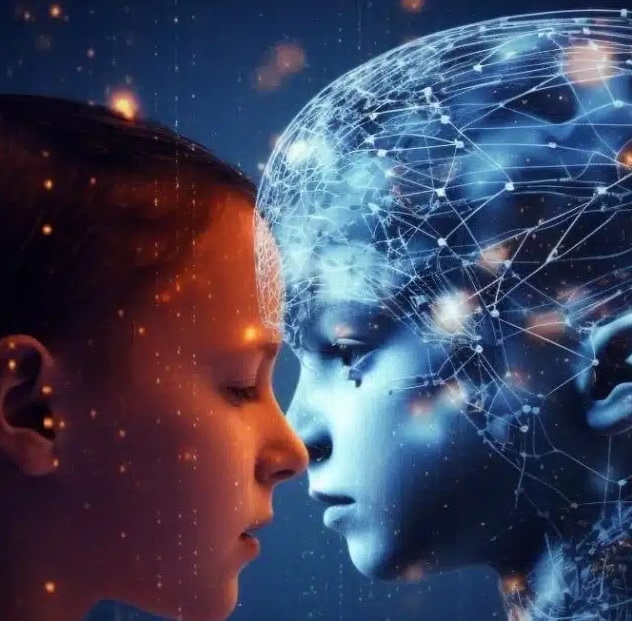
Researchers developed an AI-powered emotion recognition tool to assist people with neurodiverse conditions like autism.
The technology uses data from wearable EEG and ECG sensors, along with facial analysis, to interpret emotion-related signals. This innovation promises to offer a deeper understanding of emotional triggers, potentially improving mental health assessments and therapeutic interventions.
Additionally, it opens up possibilities for development in fields like augmented reality, virtual reality, and robotics.
Source-Link: neurosciencenewsg
 CHUCKYSCARNAGE