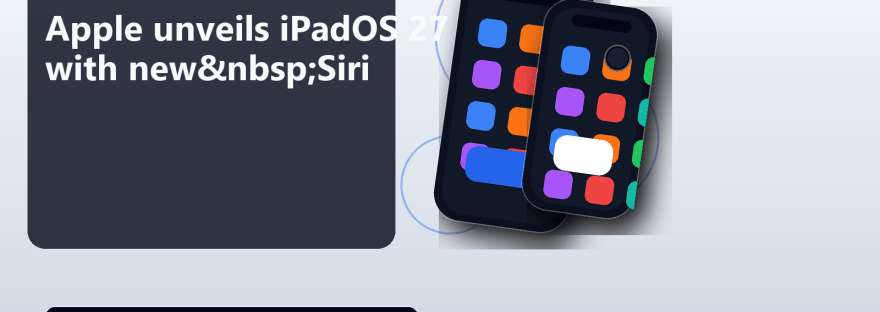
Apple stories often become larger than the product detail that starts them. A small feature or hardware change can travel quickly through users, developers, accessories, services, health claims, and the wider market that adjusts around Cupertino.
AI is now past the stage where novelty alone is enough. The useful tools will be reliable, legible, private enough for ordinary use, and valuable after the first burst of curiosity fades.
What Happened
MacRumors and 9to5Mac report on the plain question now facing AI: does the technology make software better, or merely more decorated?
The useful detail is how the development connects the technical work to what may change once the story moves beyond announcement mode.
Space updates can look routine from the outside: a launch, a docking, an instrument check, another mission note. Look closer, though, and they are usually about data, endurance, materials, communications, robotics, or the next piece of exploration infrastructure.
The Context
The wider importance is in what the work can unlock next: better measurement, stronger missions, new research tools, or a clearer view of systems that are difficult to study from Earth.
Phone news can shape upgrade timing, buying choices, app support, and how long older devices stay useful; Apple ecosystem updates often affect iPhone, iPad, Mac, iOS, app developers, and accessory buyers at the same time; AI stories can quickly move from research demos into apps, phones, search, productivity tools, and policy debates.
The practical question is what changes after the headline: price, availability, compatibility, trust, convenience, or timing. That is what decides whether a tech story becomes useful or disappears after a day of attention.
It also matters because space research has a habit of producing side effects: better instruments, tougher materials, sharper data, smarter robotics, and new ways to think about problems back on Earth.
The Bigger Picture
Space coverage matters because it sits at the edge of science, engineering, and imagination. Missions and instruments often sound distant from everyday life, but the same work can improve sensors, communications, robotics, materials, weather tracking, and our understanding of Earth.
The bigger picture is not just exploration for its own sake. It is the way every mission creates data, tests hardware, and pushes systems to survive conditions that ordinary technology never faces.
That makes space stories a natural part of a tech blog: they are about discovery, but also about the machines, software, materials, and ideas that make discovery possible.
A little skepticism is not cynicism here; it is basic hygiene. AI headlines often inflate the demo and shrink the caveats.
What Readers Should Take From It
For AI stories, the test is whether the feature is genuinely useful, accurate enough to trust, private enough to use, and affordable enough to keep.
The missing details are just as important as the confirmed ones. If a report does not clearly explain pricing, regions, release timing, device support, privacy rules, or long-term availability, readers should treat the news as useful but unfinished.
The best move is to separate the announcement from the real-world effect. A feature can sound impressive before anyone tests it properly. A discount can look generous while still being limited by model, region, trade-in rules, or stock. A free offer can be valuable, but it can also be designed to create a habit that later becomes paid.
What To Watch Next
- official confirmation, changelogs, launch notes, or product pages
- pricing, availability, and whether the change is limited to specific regions
- device support, privacy terms, battery impact, subscriptions, or compatibility limits
- hands-on reports that show whether the headline holds up in real use
Bottom Line
Technology changes through pressure as much as invention: pricing, regulation, supply chains, user habits and the slow work of making things reliable. The story now is whether this early signal turns into real consequence.
Discover more from ChuckysCarnage
Subscribe to get the latest posts sent to your email.

