
Scientists discover neurons must break their DNA to build the brain is best read as a research story with consequences, not as a novelty headline. The question is what the work actually shows, how strong the evidence is, and whether it gives researchers or engineers a more useful way to solve the next problem.
The test is not whether the discovery sounds impressive on first reading. It is whether the evidence is strong, the limits are clear, and the work gives other researchers a firmer platform for the next step. I’ve learned that the most important science often arrives quietly, not in dramatic headlines.
The Research
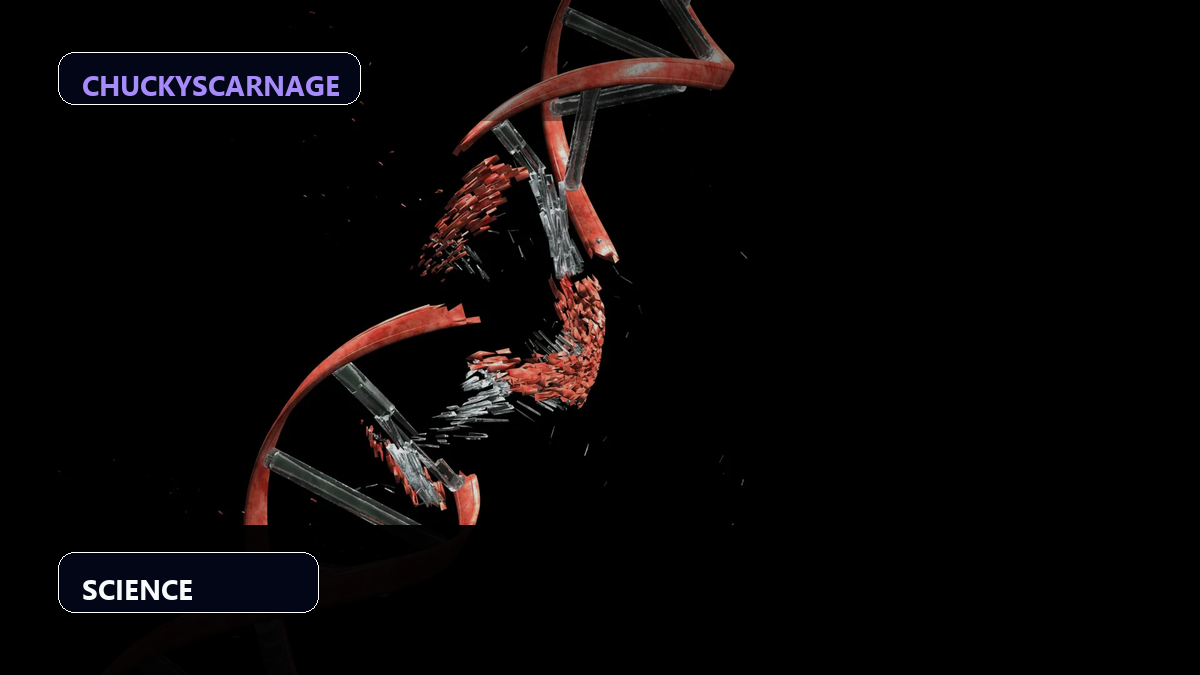
ScienceDaily Health & Medicine reports that Scientists discover neurons must break their DNA to build the brain. As newborn neurons make their way through the developing brain, they must squeeze through incredibly tight spaces to reach their final destinations. Researchers discovered that this physical journey routinely causes some of the most severe forms of DNA damage—double-strand breaks—yet the young brain has evolved an impressive ability to repair the damage… The key issue is whether the finding is strong enough to guide follow-up research, better tools, safer systems, or real-world applications.
Technical Details
- ScienceDaily Health & Medicine: Scientists discover neurons must break their DNA to build the brain
- As newborn neurons make their way through the developing brain, they must squeeze through incredibly tight spaces to reach their final destinations. Researchers discovered that this
Why This Matters
The value of this kind of science story is not always immediate. Its importance comes from the way a finding can improve tools, change engineering decisions, guide future research, or eventually become part of real products and systems.
The Bigger Picture
The bigger picture is whether this work changes the tools available to researchers or engineers. A narrow finding becomes important when it improves measurement, reduces uncertainty, or gives other teams a method they can test against their own data.
This is how much of science actually moves: not in thunderclaps, but in careful improvements that make the next experiment less blind than the last.
Future Implications
It also matters because scientific progress often arrives quietly. A method can improve before the public ever sees a new product, and that improvement can later influence safety standards, manufacturing choices, research tools, or the way engineers solve old problems.
The best move is to separate the initial finding from the real-world effect. A study can be promising without being final, and the strongest science stories become more important when other researchers test, refine, and apply the work.
What To Watch Next
- peer review, replication, or follow-up research from other teams
- whether the method moves from lab testing into real-world systems
- which industries, tools, or public problems the work could eventually affect
- clear explanations of limits, uncertainty, and what still needs proof
Bottom Line
Not every early result becomes a revolution, but the useful ones reveal where knowledge is becoming sturdier. The question is whether the evidence survives follow-up work.
Why This Research Matters: This work advances our understanding in measurable ways. Look for replication studies that confirm these findings and follow-up research that builds on this foundation. The real-world applications may take years to develop, but the scientific foundation matters now.
Sources: ScienceDaily Health & Medicine
 CHUCKYSCARNAGE