
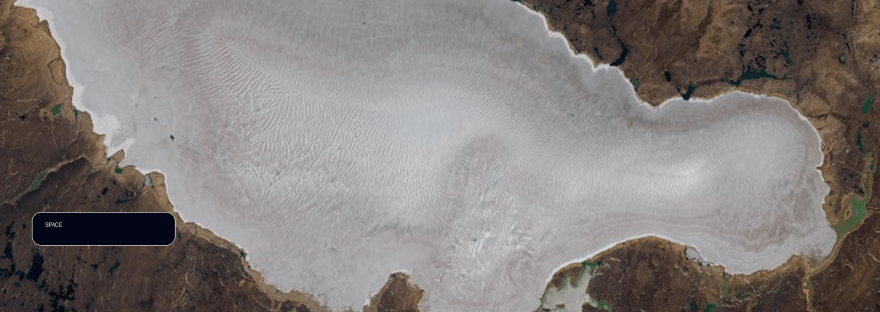
The expanse of glacial ice on Canada’s Baffin Island lost its snow cover quickly and early in summer 2026, revealing a network of melt features. NASA Science is reporting on a bare summer for barnes ice cap, and this post walks through what changed and what it means.
A Bare Summer for Barnes Ice Cap.
The post A Bare Summer for Barnes Ice Cap appeared first on NASA Science.
The practical value is usually procedural rather than dramatic: the work matters if it produces better measurements, more reliable hardware, or a clearer path to the next experiment.
Organizations named in the source material include NASA Science.
The strongest next step is to watch for follow-up evidence, policy changes, pricing shifts, or independent testing that could change the first impression.
- which experiments NASA highlights after the payload is unpacked
- early research updates from the space station crew or mission teams
- whether the work supports medicine, materials, robotics, life-support, or exploration
- follow-up results that show what changed after testing in orbit
Why This Matters
A Bare Summer for Barnes Ice Cap matters because it signals a real change in how space products and services are used day to day. Concretely, the reporting notes that the expanse of glacial ice on Canada’s Baffin Island lost its snow cover quickly and early in summer 2026, revealing a network of melt features. The story is being carried by NASA Science. For space readers, the useful frame is: space stories matter when they improve exploration, communications, Earth observation, scientific measurement, or the technologies that later reach everyday life.
Chucky’s Analysis
This one deserves a second look. A Bare Summer for Barnes Ice Cap is not just another headline — it is a concrete signal about where space technology is heading, and it matters more than a quick skim.
The strongest detail in the reporting is that the expanse of glacial ice on Canada’s Baffin Island lost its snow cover quickly and early in summer 2026, revealing a network of melt features. The sources also highlight that the expanse of glacial ice on Canada’s Baffin Island lost its snow cover quickly and early in summer 2026, revealing a network of melt features.
For readers, the immediate implications are practical: space stories matter when they improve exploration, communications, Earth observation, scientific measurement, or the technologies that later reach everyday life. That means the useful questions are about reliability, cost, privacy, support, and whether the change improves something you already do. NASA Science is the primary source here, so I would treat the details as solid but not yet independently confirmed.
Where I stay skeptical is the usual gap between announcement and reality. Follow-up releases, pricing, availability, and independent testing will decide whether this change keeps its promise. Until then, the smart move is to watch what real-world use actually shows.
My bottom line: A Bare Summer for Barnes Ice Cap is worth following, not because it is exciting, but because it could quietly change everyday decisions in Space. Track the follow-ups, weigh the evidence, and do not let the headline outrun the proof.
Key Takeaways
- A Bare Summer for Barnes Ice Cap: a real development in Space, not just a rumor.
- What we know: the expanse of glacial ice on Canada’s Baffin Island lost its snow cover quickly and early in summer 2026, revealing a network of melt features.
- What it means for you: space stories matter when they improve exploration, communications, Earth observation, scientific measurement, or the technologies that later reach everyday life.
- What to watch next: follow-up coverage of Bare, Barnes, Summer, plus independent testing and user feedback.
Sources
This article was compiled from the following independent reporting:
Links direct readers to the original coverage so claims can be checked directly.
Conclusion
The short version: A Bare Summer for Barnes Ice Cap is a real development in Space, and the reporting above explains what changed and what it could mean. The detail that stands out: the expanse of glacial ice on Canada’s Baffin Island lost its snow cover quickly and early in summer 2026, revealing a network of melt features. Watch for follow-up coverage, pricing, availability, and independent testing before drawing conclusions about real-world impact.
Related Reading
More coverage from ChuckysCarnage on this topic:
Keep Exploring
Browse more stories on the site:
About the Author
ChuckysCarnage is a technology news site that tracks gadgets, software, science, and space. Every article is assembled from the day’s independent reporting, checked against the original sources, and reviewed for accuracy before it goes live.
Discover more from ChuckysCarnage
Subscribe to get the latest posts sent to your email.
 ChuckysCarnage