
Space missions matter less for the spectacle and more for what they enable: experiments, data, and research that can’t be done on Earth.
Reporting
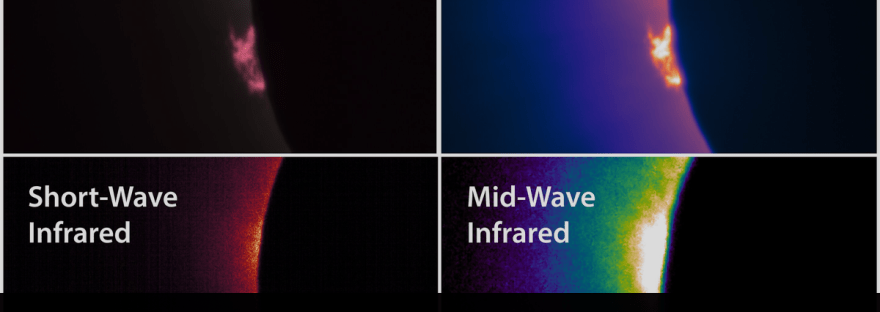
Phys.org Space reports that Airborne observatory improves views of solar corona during cloud-covered eclipse. Using unique equipment installed on NASA's WB-57 aircraft flying above heavy clouds off the coast of Iceland, a Southwest Research Institute-led team successfully observed a total solar eclipse on Wednesday. The high-altitude jet followed the moon's shadow at 50,000 feet (15,000 meters) to take measurements of the solar corona in nine different… The key issue is what the mission or observation makes possible next: better data, stronger hardware, new experiments, or clearer science.
The Details
- Phys.org Space: Airborne observatory improves views of solar corona during cloud-covered eclipse
- Using unique equipment installed on NASA's WB-57 aircraft flying above heavy clouds off the coast of Iceland, a Southwest Research Institute-led team successfully observed a total solar
- aircraft components
A few details give the story its shape: aircraft components. Those are the pieces that keep this from feeling like a vague headline and make it easier to see where the real impact may land.
Next Developments
- scientific results from the mission
- follow-up research publications
- practical applications on Earth
Discover more from ChuckysCarnage
Subscribe to get the latest posts sent to your email.

