Research matters when it gives scientists better tools or clearer answers. The question is whether this work actually advances understanding or just adds noise.
Reporting
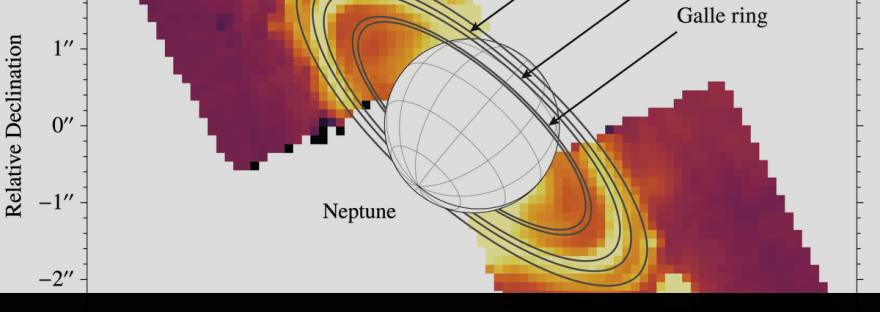
Phys.org Space reports that Neptune's tiny moons tell the story of Triton's destructive capture. Neptune's moon and ring system stand out among the giant planets because of the strange imbalance between its one very large moon and its many tiny moons. Its largest moon, Triton, makes up more than 99% of the mass of all satellites orbiting the planet while orbiting retrograde compared with Neptune's rotation. The predominant theory is that Triton is a… The key issue is what the mission or observation makes possible next: better data, stronger hardware, new experiments, or clearer science.
The Details
- Phys.org Space: Neptune's tiny moons tell the story of Triton's destructive capture
- Neptune's moon and ring system stand out among the giant planets because of the strange imbalance between its one very large moon and its many tiny moons. Its largest moon, Triton, makes
A few details give the story its shape: 99%. Those are the pieces that keep this from feeling like a vague headline and make it easier to see where the real impact may land.
Next Developments
- scientific results from the mission
- follow-up research publications
- practical applications on Earth
Discover more from ChuckysCarnage
Subscribe to get the latest posts sent to your email.

