
Space missions matter less for the spectacle and more for what they enable: experiments, data, and research that can’t be done on Earth.
Reporting
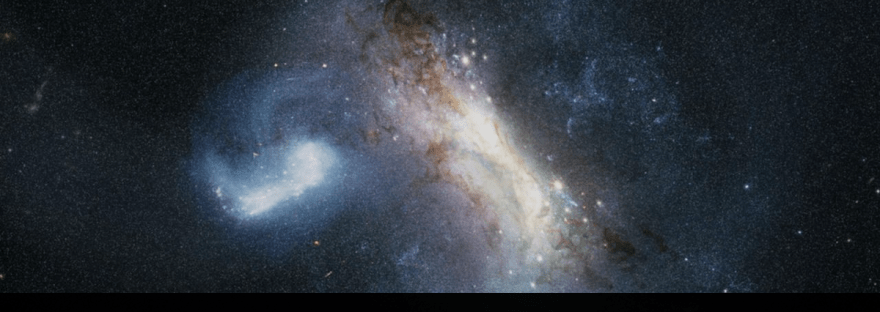
Phys.org Space reports that Hubble solves merger mystery from Milky Way's early years. Our home galaxy, the Milky Way, grew to its current size in part by consuming smaller galaxies. Now, new data from NASA's Hubble Space Telescope show definitive evidence of a dwarf galaxy merging with the young Milky Way in the earliest phases of its evolution. This finding extends our knowledge of our galaxy's history 1.8 billion years farther back in… The key issue is what the mission or observation makes possible next: better data, stronger hardware, new experiments, or clearer science.
Space.com reports that How an ancient collision with another galaxy transformed the Milky Way. The Hubble Space Telescope has discovered evidence that our galaxy experienced a significant collision and merger with a dwarf galaxy 11.8 billion years ago. Mergers between galaxies are one of the main ways in which galaxies can grow. However, while we can witness mergers taking place in other galaxies, figuring out our Milky Way galaxy's history requires… The key issue is what the mission or observation makes possible next: better data, stronger hardware, new experiments, or clearer science.
NASA Science reports that Colorful Collage of Tarantula Nebula. Data from NASA’s Chandra X-ray Observatory, NASA’s James Webb Space Telescope, and NASA’s Hubble Space Telescope combine to reveal a vibrant view of 30 Doradus, or the Tarantula Nebula, in this Aug. 11, 2026, image. Located in the Large Magellanic Cloud, a small neighbor galaxy to the Milky Way about 160,000 light-years from Earth, the […] The post… The key issue is what the mission or observation makes possible next: better data, stronger hardware, new experiments, or clearer science.
NASA Science reports that Hubble Solves Merger Mystery From Milky Way’s Early Years. New Hubble data shows definitive evidence of a dwarf galaxy merging with the young Milky Way in the earliest phases of its evolution. The post Hubble Solves Merger Mystery From Milky Way’s Early Years appeared first on NASA Science . The key issue is what the mission or observation makes possible next: better data, stronger hardware, new experiments, or clearer science.
The Details
- Phys.org Space: Hubble solves merger mystery from Milky Way's early years
- Our home galaxy, the Milky Way, grew to its current size in part by consuming smaller galaxies. Now, new data from NASA's Hubble Space Telescope show definitive evidence of a dwarf galaxy
- Space.com: How an ancient collision with another galaxy transformed the Milky Way
- The Hubble Space Telescope has discovered evidence that our galaxy experienced a significant collision and merger with a dwarf galaxy 11.8 billion years ago. Mergers between galaxies are
- NASA Science: Colorful Collage of Tarantula Nebula
- Data from NASA’s Chandra X-ray Observatory, NASA’s James Webb Space Telescope, and NASA’s Hubble Space Telescope combine to reveal a vibrant view of 30 Doradus, or the Tarantula Nebula, in
- NASA Science: Hubble Solves Merger Mystery From Milky Way’s Early Years
Next Developments
- scientific results from the mission
- follow-up research publications
- practical applications on Earth
Discover more from ChuckysCarnage
Subscribe to get the latest posts sent to your email.

