
Better ways to measure stress in aircraft parts could mean safer planes and fewer failures. This is the kind of engineering work that matters more than it sounds.
Reporting
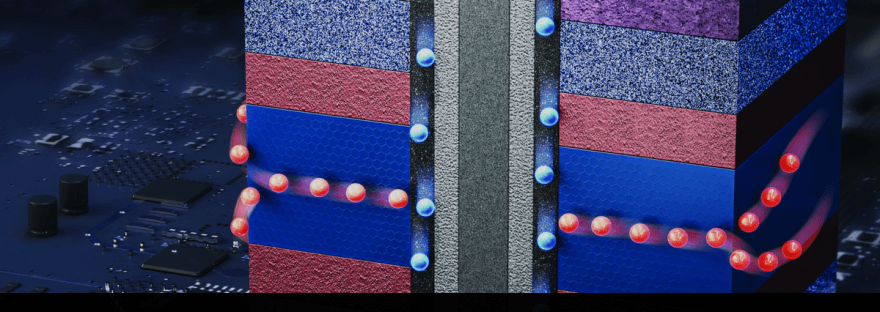
Phys.org Technology reports that 'Oxygen tunnel' structure could solve 3D memory reliability problem to boost AI chip performance. As AI systems become more advanced, memory is required to transfer larger amounts of data at higher speeds. But conventional planar semiconductor scaling is running out of room. A KAIST research team has now addressed a key weakness in three-dimensional, vertically stacked memory devices, opening a new path to faster, more power-efficient AI semiconductors. The key issue is whether the finding is strong enough to guide follow-up research, better tools, safer systems, or real-world applications.
The Details
- Phys.org Technology: 'Oxygen tunnel' structure could solve 3D memory reliability problem to boost AI chip performance
- As AI systems become more advanced, memory is required to transfer larger amounts of data at higher speeds. But conventional planar semiconductor scaling is running out of room. A KAIST
- reliability testing
A few details give the story its shape: reliability testing. Those are the pieces that keep this from feeling like a vague headline and make it easier to see where the real impact may land.
Next Developments
- replication by other researchers
- real-world applications
- limitations and caveats
Discover more from ChuckysCarnage
Subscribe to get the latest posts sent to your email.

