
Space missions matter less for the spectacle and more for what they enable: experiments, data, and research that can’t be done on Earth.
Reporting
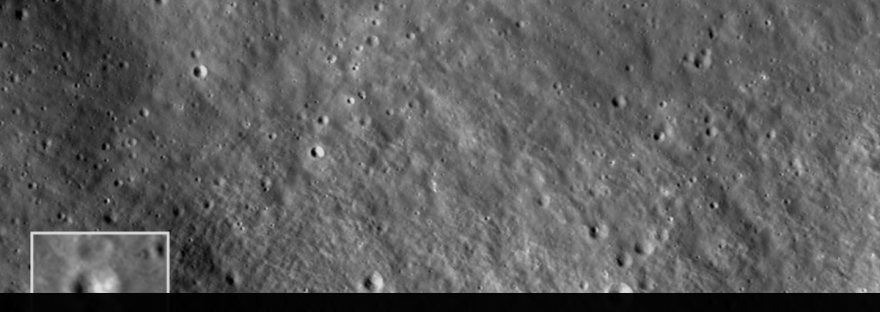
Space.com reports that A SpaceX rocket slammed into the moon this month — and a NASA spacecraft has spotted its lunar grave (photos). NASA's veteran moon-circling spacecraft, the Lunar Reconnaissance Orbiter (LRO), has imaged the impact site of that errant Falcon 9 upper stage. The photos were taken on Aug. 11 and Aug. 12, just a few days after the SpaceX rocket body slammed into the moon near Einstein Crater at 5,400 mph (8,690 kph). LRO's high-resolution camera system, known as LROC,… The key issue is what the mission or observation makes possible next: better data, stronger hardware, new experiments, or clearer science.
The Details
- Space.com: A SpaceX rocket slammed into the moon this month — and a NASA spacecraft has spotted its lunar grave (photos)
- NASA's veteran moon-circling spacecraft, the Lunar Reconnaissance Orbiter (LRO), has imaged the impact site of that errant Falcon 9 upper stage. The photos were taken on Aug. 11 and Aug
- SpaceX Dragon
- 5,400 mp
A few details give the story its shape: SpaceX Dragon and 5,400 mp. Those are the pieces that keep this from feeling like a vague headline and make it easier to see where the real impact may land.
The Context
Space updates can look routine from the outside: a launch, a docking, an instrument check, another mission note. Look closer, though, and they are usually about data, endurance, materials, communications, robotics, or the next piece of exploration infrastructure.
Next Developments
- scientific results from the mission
- follow-up research publications
- practical applications on Earth
Discover more from ChuckysCarnage
Subscribe to get the latest posts sent to your email.

