Space missions matter less for the spectacle and more for what they enable: experiments, data, and research that can’t be done on Earth.
Reporting
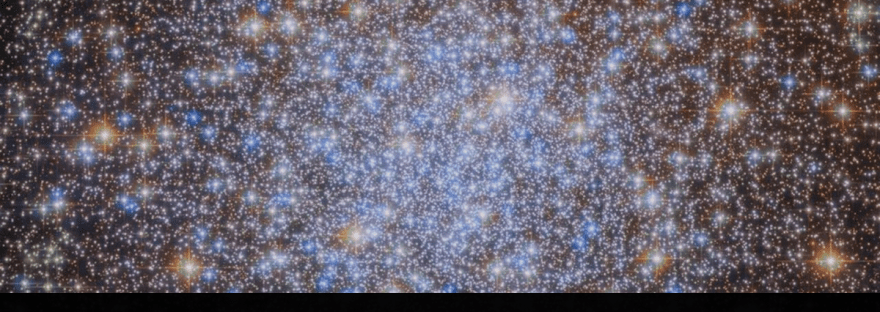
Space.com reports that Ancient stars dazzle in a celestial chandelier | Space photo of the day for Aug. 21, 2026. The Chandelier Cluster, or globular cluster NGC 6723, as imaged by the Hubble Space Telescope. (Image credit: ESA/Hubble & NASA, A. Sarajedini, G. Piotto) Stars scattered across the cosmos sparkle in the appropriately named Chandelier Cluster. What is it? The Hubble Space Telescope captured this twinkling image of NGC 6723, or the Chandelier Cluster, a… The key issue is what the mission or observation makes possible next: better data, stronger hardware, new experiments, or clearer science.
The Details
- Space.com: Ancient stars dazzle in a celestial chandelier | Space photo of the day for Aug. 21, 2026
- The Chandelier Cluster, or globular cluster NGC 6723, as imaged by the Hubble Space Telescope. (Image credit: ESA/Hubble & NASA, A. Sarajedini, G. Piotto) Stars scattered across the cosmos
The Context
Space updates can look routine from the outside: a launch, a docking, an instrument check, another mission note. Look closer, though, and they are usually about data, endurance, materials, communications, robotics, or the next piece of exploration infrastructure.
Next Developments
- scientific results from the mission
- follow-up research publications
- practical applications on Earth
Discover more from ChuckysCarnage
Subscribe to get the latest posts sent to your email.

