
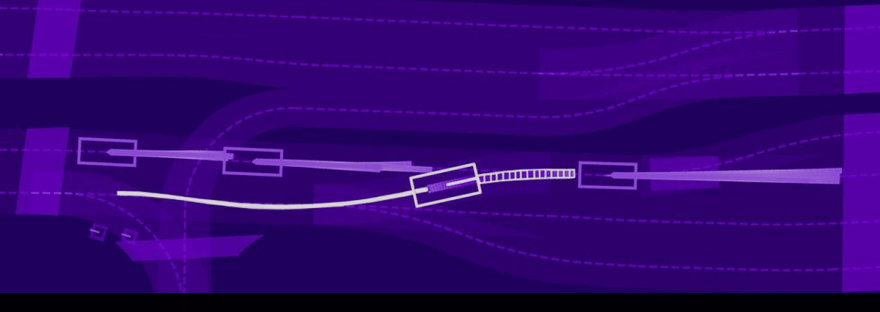
Self-driving technology has moved from polished demos to messy reality on public roads. The real test isn’t whether it works sometimes, but whether it works reliably enough for regulators and passengers to trust it.
Reporting
IEEE Spectrum AI reports that Self-Driving Cars Could Someday Take Requests. This article is part of our exclusive IEEE Journal Watch series in partnership with IEEE Xplore. The idea of letting a machine do the driving for you may put a lot of people off autonomous vehicles . But research could make it possible to backseat-drive an autonomous vehicle just as you might with a human driver. Self-driving cars carefully balance a host… The key issue is what changes after the announcement: price, access, timing, compatibility, reliability, or reader impact.
The Details
- IEEE Spectrum AI: Self-Driving Cars Could Someday Take Requests
- This article is part of our exclusive IEEE Journal Watch series in partnership with IEEE Xplore. The idea of letting a machine do the driving for you may put a lot of people off autonomous
- autonomous driving
- self-driving software
A few details give the story its shape: autonomous driving and self-driving software. Those are the pieces that keep this from feeling like a vague headline and make it easier to see where the real impact may land.
The Context
Autonomous driving is a rare tech story where the scoreboard is not a spec sheet. The real measure is boring, repeatable competence: miles driven safely, edge cases handled calmly, and fewer moments where a human has to step in.
Next Developments
- crash and intervention data trends
- regulatory approval status
- real-world safety performance
Discover more from ChuckysCarnage
Subscribe to get the latest posts sent to your email.

