
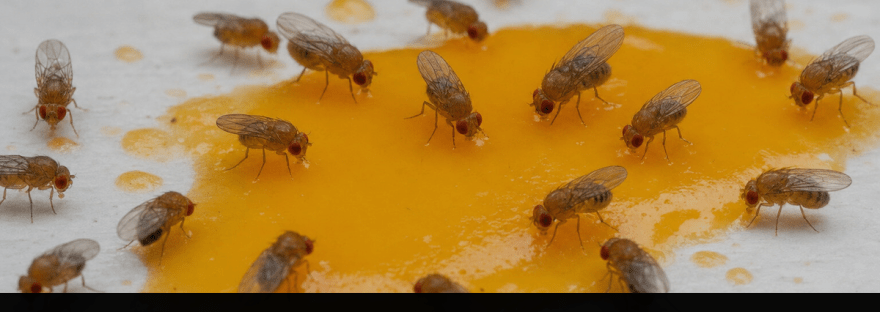
Eating may look effortless, but behind every bite, the brain runs a split-second relay of coordinated movement. In a recent study, researchers zoomed into the tiny world of fruit flies, or Drosophila, to uncover how their motor neurons orchestrate the rapid sequence of muscle movements that makes feeding possible. Motor neurons choreograph fruit fly feeding in millisecond-by-millisecond sequence.
Motor neurons choreograph fruit fly feeding in millisecond-by-millisecond sequence by Sanjukta Mondal, Medical Xpress Sanjukta Mondal Author Meet our staff & contributors Learn about our editorial standards edited by Sadie Harley, reviewed by Robert Egan Sadie Harley Scientific Editor Meet our editorial team Behind our editorial process Robert Egan Senior Editor Meet our editorial team Behind our editorial process Editors' notes This article has been reviewed according to Science X's editorial process and policies. Editors have highlighted the following attributes while ensuring the content's credibility: fact-checked peer-reviewed publication trusted source proofread The GIST Add as preferred source Credit: Image generated by the editorial team using AI for illustrative purposes. When a fruit fly feeds on liquid, its nervous system must activate a series of throat muscles in the right sequence, with millisecond-level precision, to suck and swallow.
The researchers filmed the flies feeding with high-speed infrared cameras. At the same time, they recorded electrical activity using microscopic electrodes placed in the brain. Motor neurons have long been thought of as the nervous system's final messengers, receiving commands from the brain and passing them on to muscles.
Discover more from ChuckysCarnage
Subscribe to get the latest posts sent to your email.

