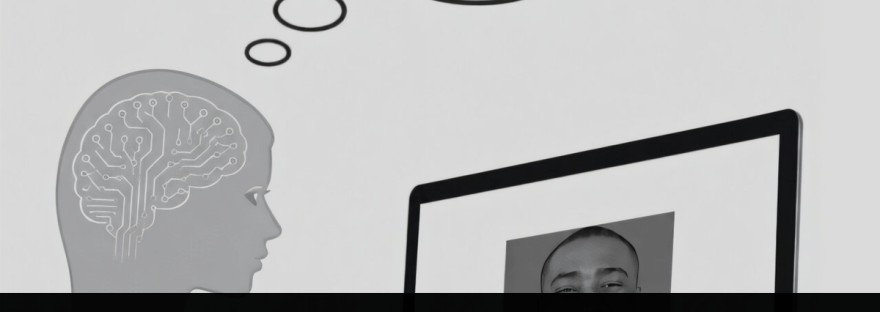
The human brain can recognize a person's face and expression in less than a blink of an eye, but current artificial intelligence (AI) models, although fairly accurate at doing the same, use a different process than the brain. That may not be good enough for applications in health care or education, according to new research from York University. Brain recordings hint at how AI reads facial expressions differently from us.
Brain recordings hint at how AI reads facial expressions differently from us by Sandra McLean, York University edited by Swati Mestri, reviewed by Robert Egan Swati Mestri Scientific Editor Meet our editorial team Behind our editorial process Robert Egan Senior Editor Meet our editorial team Behind our editorial process Editors' notes This article has been reviewed according to Science X's editorial process and policies. Editors have highlighted the following attributes while ensuring the content's credibility: fact-checked peer-reviewed publication trusted source proofread The GIST Add as preferred source An example of a participant looking at one of 12 people’s faces showing a variety of expressions – anger, disgust, fear, joy, sadness and shame. Very small changes in facial appearance can influence how we understand a conversation, whether we think someone is comfortable or distressed, and how we respond socially.
We need to understand how those AI systems arrive at their judgments and where their interpretation of human social signals differs from ours," says York University senior author and assistant professor Kohitij Kar. "A major long-term benefit is that this work gives us a way to move beyond simply describing differences in social perception and toward understanding the neural mechanisms that produce them." The study, Facial expression discrimination emerges from partially overlapping neural subspaces of detection and identity, was published in Nature Communications. Testing faces across brains and models A first step toward that goal is understanding how the brain represents both who a person is and what facial expression they are making, and then asking whether computational models capture those same representations.
"We can measure which individual facial expressions humans find easy or difficult to interpret, determine whether the same patterns are present in a carefully validated animal model, measure the underlying neural activity directly, and then use AI models to turn those biological observations into testable computational explanations," says Kar, of the Faculty of Science and a member of the York-led Connected Minds.
Medical Disclaimer: This article is for informational purposes only and does not constitute medical advice. Always consult with qualified healthcare professionals for medical decisions and treatment options.
Discover more from ChuckysCarnage
Subscribe to get the latest posts sent to your email.

