
Diagnostic performance of strain ratio combined with conventional ultrasound for cervical lymph node metastasis in head and neck neoplasms. Download PDF Abstract Cervical lymph node metastasis is a key prognostic factor in head and neck neoplasms, yet conventional ultrasound alone is limited by morphological overlap between metastatic and benign nodes. This study aimed to evaluate the diagnostic performance of a combined model integrating the ultrasound strain elastography (USE)-derived strain ratio (SR) with conventional ultrasound parameters and to assess its superiority over individual parameters alone.
This prospective diagnostic-accuracy study with blinded index-test consecutively enrolled patients diagnosed with head and neck neoplasms who had cervical lymph node biopsies at the Affiliated Hospital of Xuzhou Medical University between January and December 2025. They were categorized into a metastatic group (N₁) and a non-metastatic group (N₀) based on pathological results. The study compared conventional ultrasound parameters, long-to-short axis ratio (L/S), lymph node hilar architecture, and color Doppler flow imaging (CDFI) classification and SR between the two groups.
A binary logistic regression model was developed to incorporate all four variables, and a nomogram was constructed for individualized prediction. Restricted cubic spline (RCS) was used to assess the correlation of SR and cervical lymph node metastasis. Diagnostic performance was assessed and compared using receiver operating characteristic (ROC) curve analysis and DeLong’s test for area under the curve (AUC) comparisons.
Memory issues could be behind your PC’s performance problems, app crashes and random restarts. A Windows tool could help you understand what’s going wrong.
What happens when you run the Windows Memory Diagnostic tool. If you’ve got memory issues, Microsoft’s built-in diagnostic tool could come in handy.
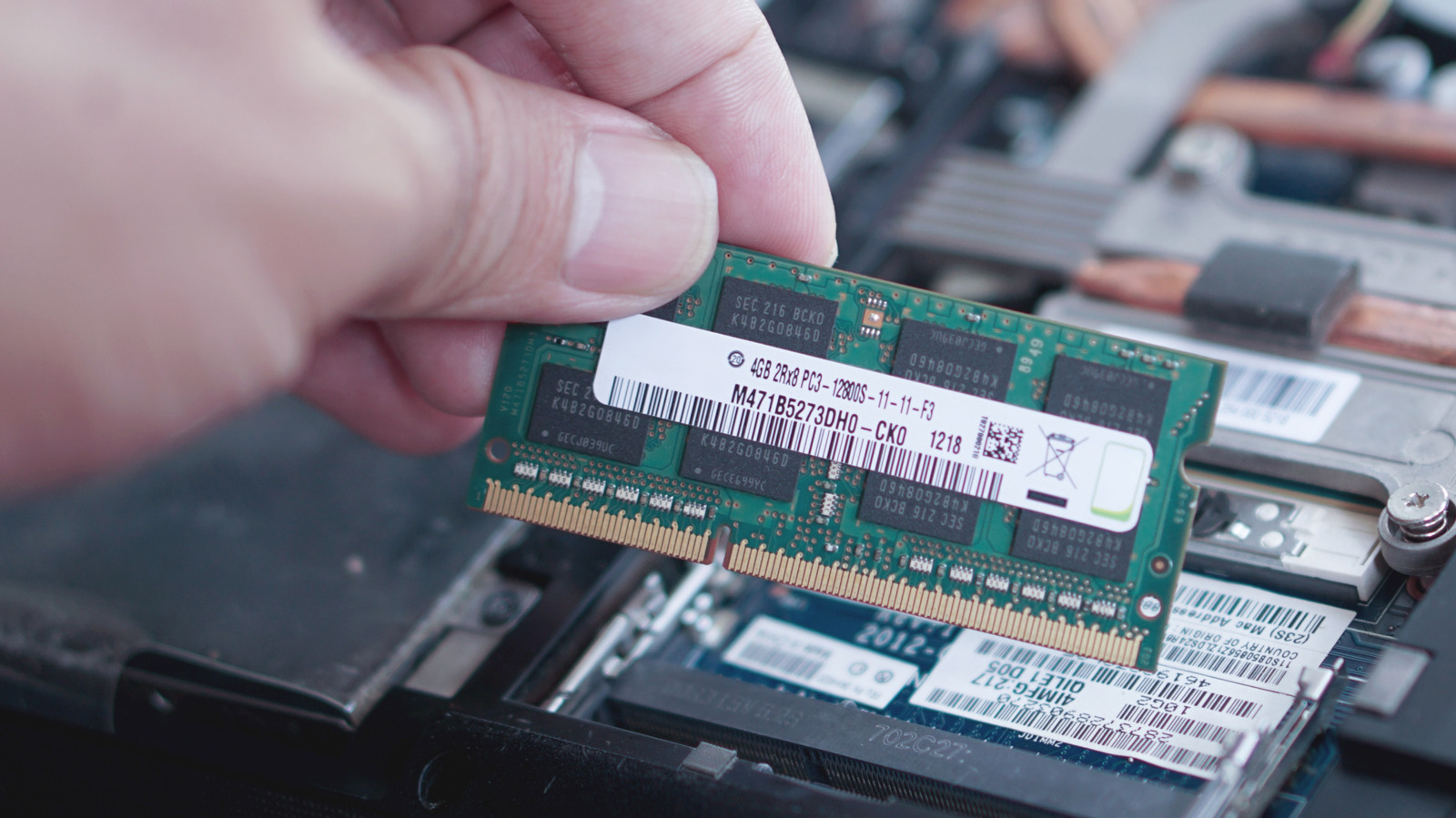
It temporarily stores information about the apps and data that the processor needs quick access to. This is why RAM issues often lead to major performance problems, app crashes, unexpected restarts and the infamous Blue Screen of Death (BSOD).
You could always walk down to your nearest computer repair shop and have a certified technician take a look, but Windows offers a handy tool that lets you check for memory problems yourself. The Windows Memory Diagnostic utility comes pre-installed and runs a series of tests designed to check whether your computer’s RAM can store and return data reliably.
Any discrepancies between the data that has been written to memory and what is read back could indicate that something may be wrong with how your RAM is functioning. Think of it like writing down a message on a piece of paper and handing it to someone for safekeeping.
Medical Disclaimer: This article is for informational purposes only and does not constitute medical advice. Always consult with qualified healthcare professionals for medical decisions and treatment options.
Discover more from ChuckysCarnage
Subscribe to get the latest posts sent to your email.

