
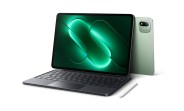
Alongside the Xiaomi 18 Pro and 18 Pro Max, which were unveiled in China, the company also launched the Pad 9 Pro and Pad 9 tablets. The new models join the Xiaomi Pad 9 Pro Max, which debuted earlier this month. The Xiaomi Pad 9 Pro is the larger one with a 12.5-inch LCD display that offers a 144Hz refresh rate and a 3.2K resolution.
The tablet is powered by the Snapdragon 8 Gen 5 chipset, which is paired with up to 12GB of RAM and 256GB of UFS 4.1 storage. It gets a 50MP primary rear camera and a 32MP front camera. The Pad 9 Pro packs a 11,000mAh battery and supports 67W…
Xiaomi Pad 9 Pro and Pad 9 announced. On the other hand, the Xiaomi Pad 9 is slightly smaller with a 11.2-inch display, although with the same specs as the larger Pro model.
Microsoft’s smaller Surface Pro 12 and Surface Laptop 13 are getting a much-needed chip upgrade. Microsoft’s new Surface Pro 12 and Surface Laptop 13 feature Snapdragon X2 Plus chips.
The big change is the new Snapdragon X2 Plus chip, which aims to be a solid update from the slower Qualcomm chips powering those devices last year. As Microsoft’s smallest PCs, the key for both the Surface Pro 12 and Laptop 13 is portability over raw power.
These were also ostensibly low-cost devices last year, with launch prices below $1,000, but as with everything else, the RAMaggedon has bumped the Surface Pro 12-inch up to $1,150 and the Surface Laptop 13 to $1,199. Design-wise, nothing has changed with either device.
The Surface Pro 12-inch is still a small 12-inch tablet with a kickstand, and it can transform into a pseudo-laptop with the $150 Surface Pro keyboard (sold separately, as always, because Microsoft seems to hate smart consumer choices). The Surface Laptop 13, meanwhile, is the company’s basic notebook design shrunk down to a 13-inch screen and 2.7-pound frame.
Both systems also feature new 500-nit displays, which are 25 percent brighter than before.
Discover more from ChuckysCarnage
Subscribe to get the latest posts sent to your email.

