
Photographer and videographer Tyler Stalman joins us on this week’s episode of The Show to examine whether the iPhone 18 Pro ‘s camera is a compelling reason to upgrade, how its new features affect everyday shooting, and what photographers gain or give up with the iPhone Duo. The variable aperture offers settings of ƒ/1.48, ƒ/1.8, ƒ/2.8, and ƒ/4.0. The iPhone 17 Pro has a fixed ƒ/1.78 aperture, so the new lens’s widest setting admits about 45% more light on aperture values alone, or just over half an exposure stop.
Apple claims around 50% better low-light performance for the complete Main camera system. At ƒ/2.8 or ƒ/4.0, people standing at different distances in a group shot can remain sharper, provided there is enough light to compensate for the smaller opening. A narrower aperture can also let video use a slower shutter speed in bright conditions, producing more natural motion blur.
At ƒ/1.48, the camera has more light for indoor photos and potentially shorter Night mode exposures. The wider opening should also reduce the need for Night mode at all in some situations. The camera defaults to ƒ/1.8, close to the 17 Pro’s fixed aperture, but the new sensor and processing still affect photos taken at that setting.
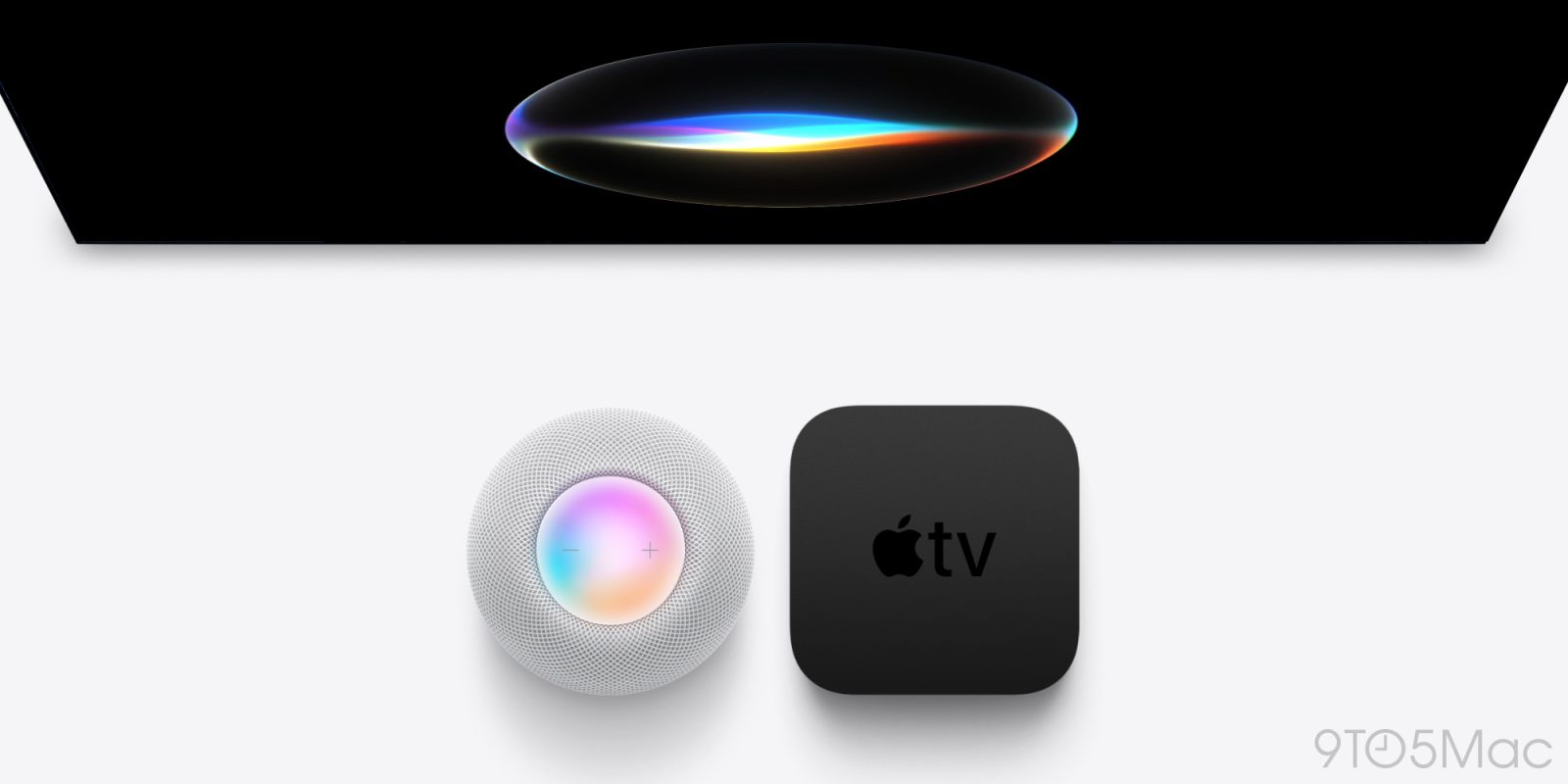
Apple should launch new Home products in October, and today via leaked images discovered by contributor Aaron Perris, we get our first glimpse at what’s coming. Leaked images reveal new Apple TV 4K, HomePod mini.
MacOS 27 Top Features: much more than just Siri AI [Video] Jeff Benjamin Sep 24 2026.
The Pro Controls add manual aperture, shutter speed, and white balance adjustments, plus a live histogram directly in the native Camera app. Users can pin their most-used settings to the top of the viewfinder, which is a major practical improvement for professionals.
For example, shutter speed offers control over frozen action or intentional motion blur, while white balance can help stop greenery being made too blue by automatic settings or maintain a consistent look between video clips. Photographic Styles 3 goes further with the ability to adjust tone and color while preserving skin tones, and new controls add Soft Skin, Glow, and Film textures, with grain that can be paired with any of them.
The Film setting aims to reproduce more of an analog photograph’s character, including its grain and the glow around bright highlights. The strength of the effects can be adjusted, and the style can be changed after capture.
Tyler has tested the ‌iPhone 18 Pro‌’s film look against a film SLR loaded with Kodak Portra 400. Apple Reference Image signs data from the ‌iPhone 18 Pro‌’s new Main camera sensor at capture, creating a secure digital negative that can be compared with an editable photo.
Meanwhile, iOS 27’s Photos tools can change perspective with Reframe, generate scenery beyond a picture’s original edges with Extend, or remove larger objects with Clean Up. Reference Image leaves room for creative editing while giving photographers a way to show what the sensor captured, provided they enabled the mode before taking the shot.
Meanwhile, the iPhone Duo’s camera system has a 48-megapixel Main camera with a fixed ƒ/1.6 aperture and the same 48-megapixel Ultra Wide camera as the ‌iPhone 18 Pro‌. Its Main camera shares a 26mm focal length, ƒ/1.6 aperture, and Hybrid Focus Pixels with the iPhone 17e, leading some to question why Apple’s most expensive iPhone appears to have camera hardware similar to an entry-level model.
That said, the Duo has sensor-shift optical image stabilization, which the 17e lacks, and Apple has not disclosed enough sensor details to establish that the two phones use identical hardware. Compared with the ‌iPhone 18 Pro‌, the ‌iPhone Duo‌ also lacks a dedicated Telephoto lens, variable aperture, manual Pro Controls, Reference Image, and professional formats including ProRAW and ProRes.
The ‌iPhone Duo‌’s folding design makes a different case for its camera. Smart Take can capture a group photo when everyone is posing, Kid Cue plays animations on the outer display to draw a child’s attention, and Duo Preview lets subjects see a live view of a photo being taken of them with the rear camera.
The phone can also stand partly open for hands-free shots. Looking to the future, Apple may be working on a custom image sensor that could arrive as soon as next year with the 20th-anniversary iPhone.
Discover more from ChuckysCarnage
Subscribe to get the latest posts sent to your email.

