
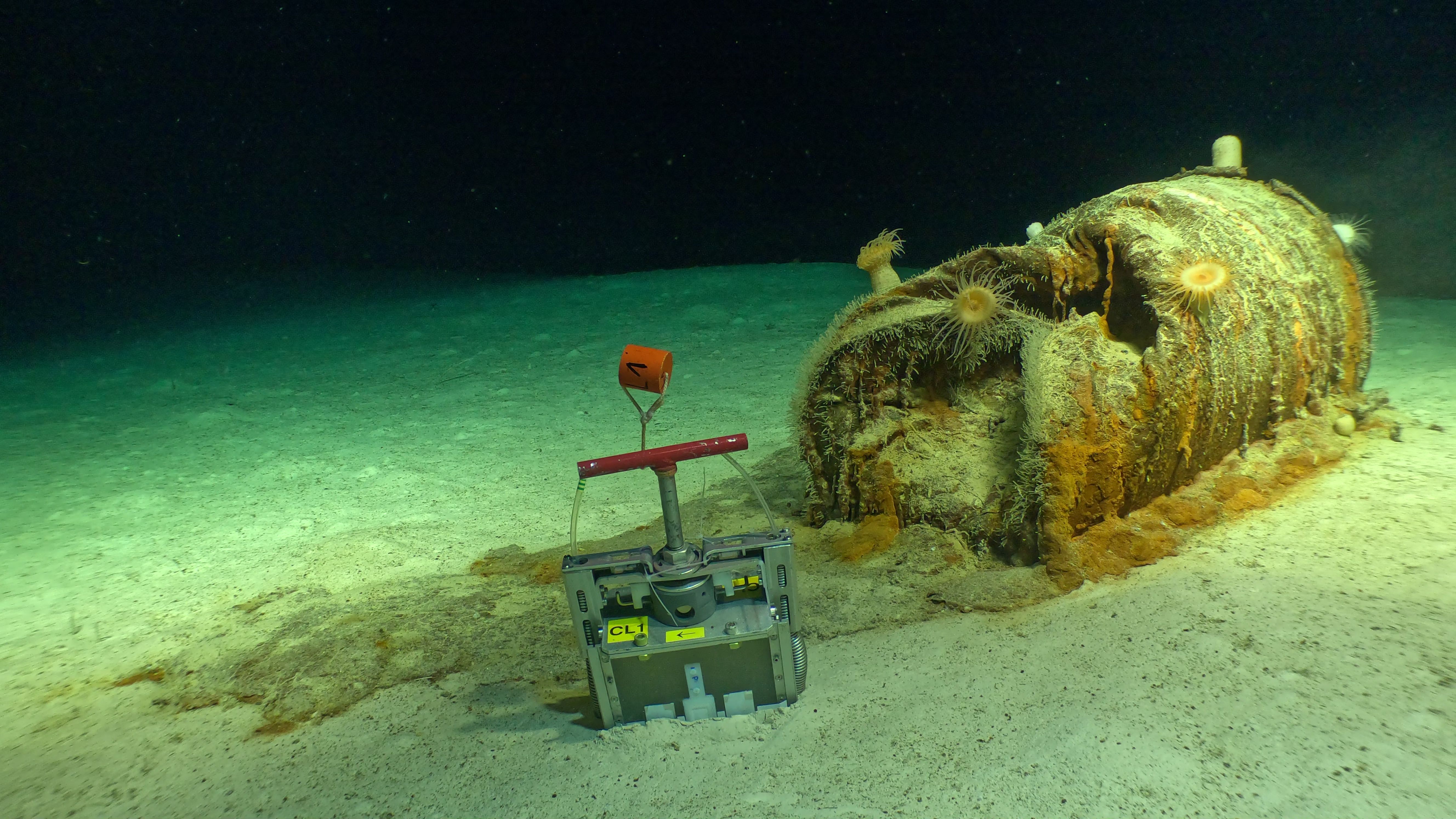
Recently French and international researchers took a look at the state of the thousands of barrels of radioactive waste that were dumped into the Atlantic Ocean between 1950 and 1990, …. The Low-Level Waste Dumps in The Atlantic Have Become Ecosystems. Although a lot of fuss is made of the spent uranium fuel and high-level waste produced by light water reactors and fuel reprocessing facilities, the overwhelming majority of nuclear waste is low- and intermediate-level waste (LLW and ILW) churned out by hospitals, laboratories and various industries.
Due to the sheer volume of this waste over the decades creative ways have been sought to dispose of it, which include burying in landfills and incinerating. For a while tossing such waste into the ocean was also deemed to be an excellent destination for LLW and ILW, with the latter especially encapsulated in bitumen or cement. This was the poured into the barrels that many people have come to associate with nuclear waste in general.
Since the about 200,000 tons of such barrels and similar were tossed into the Atlantic Ocean decades ago the question was where they ended up and their state. The Radiocean mission site lists the objectives, including the mapping of the sites and identifying the elements of the ecosystems in addition to any radioisotope levels and their effect on said ecosystems. As it turns out, although the barrels have definitely degraded and their contents are slowly collapsing, the local ecosystems seem to have adapted well, treating the dump sites more as convenient shelters rather than a hazard.
Some more photos can be found on the Bluesky account of [Javier Escartin].
Discover more from ChuckysCarnage
Subscribe to get the latest posts sent to your email.

