
The Abric Romaní site in Spain is rather unique in archeology for one simple reason: the caves in its limestone-rich cliff have seen humanoid occupation for thousands of years. Unique Archeological Discovery Sheds Light on Neanderthal Wooden Tool Usage. A thick layer of calcium carbonate-based travertine deposit has, over time, covered and largely preserved tools and other implements, including those made of wood.
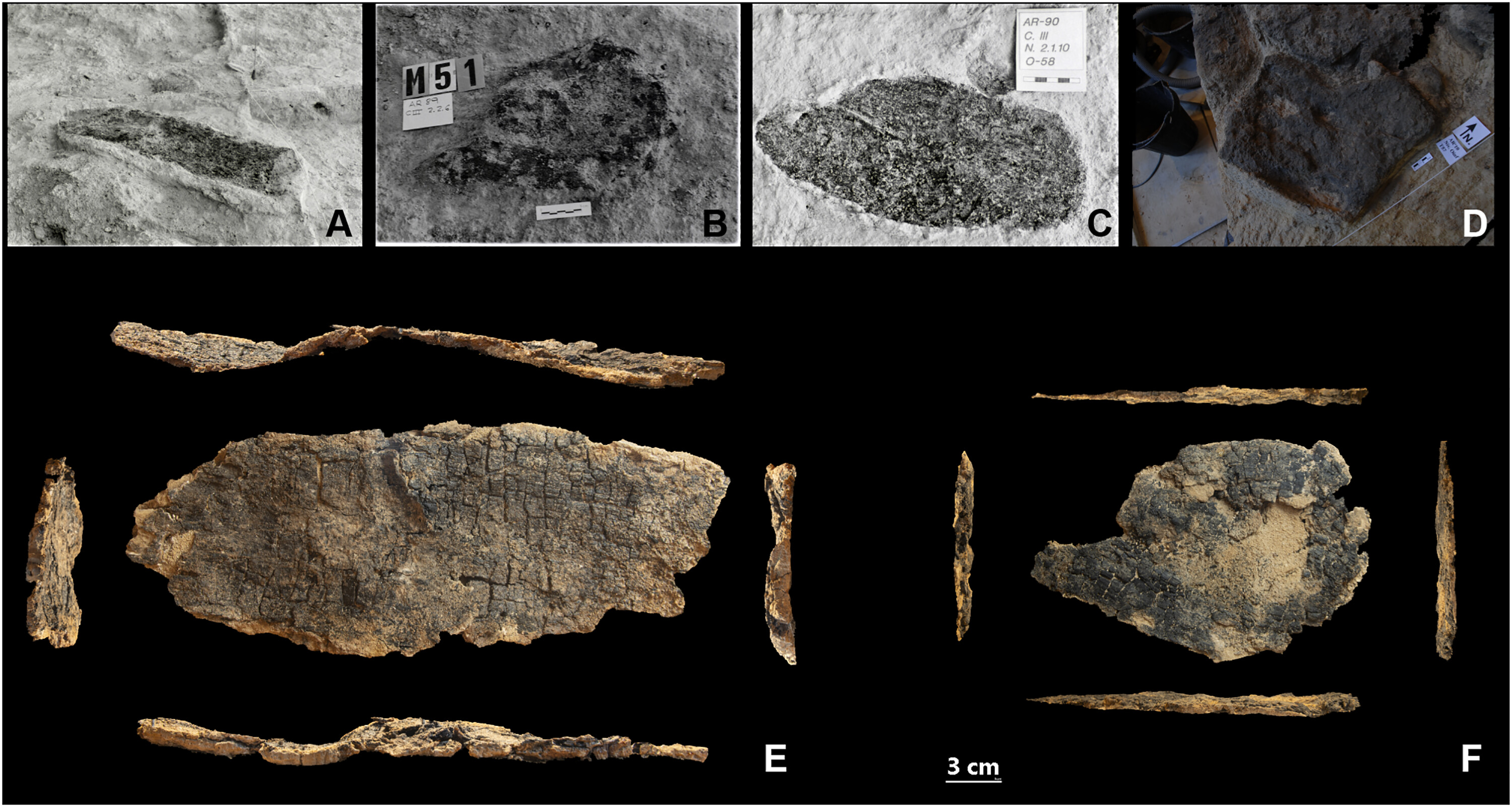
Over many decades of archeological exploration, 597 wooden imprints have been uncovered, with a recent research article by [Palmira Saladié] et al. Wood is one of those archaeological artefacts that are very elusive due to their fragility, even though we know that wood has been used pretty much everywhere from the first day that a humanoid critter discovered that branches make great clubs and spears, and can also easily be shaped to make them even more useful. The wooden imprints and some larger remains of wooden implements were found, ranging from wooden spears and clubs to trays (see heading image) and tripods.
With enough of the wood still present, researchers were also able to determine which types of trees were used to make these tools, and sometimes which part of the tree. These finds date back to between 62,000 and 40,000 years ago during the Middle Paleolithic era. This would have been around the time that Homo sapiens began to move into Europe, with both species of humans living side by side for thousands of years.
Discover more from ChuckysCarnage
Subscribe to get the latest posts sent to your email.

