
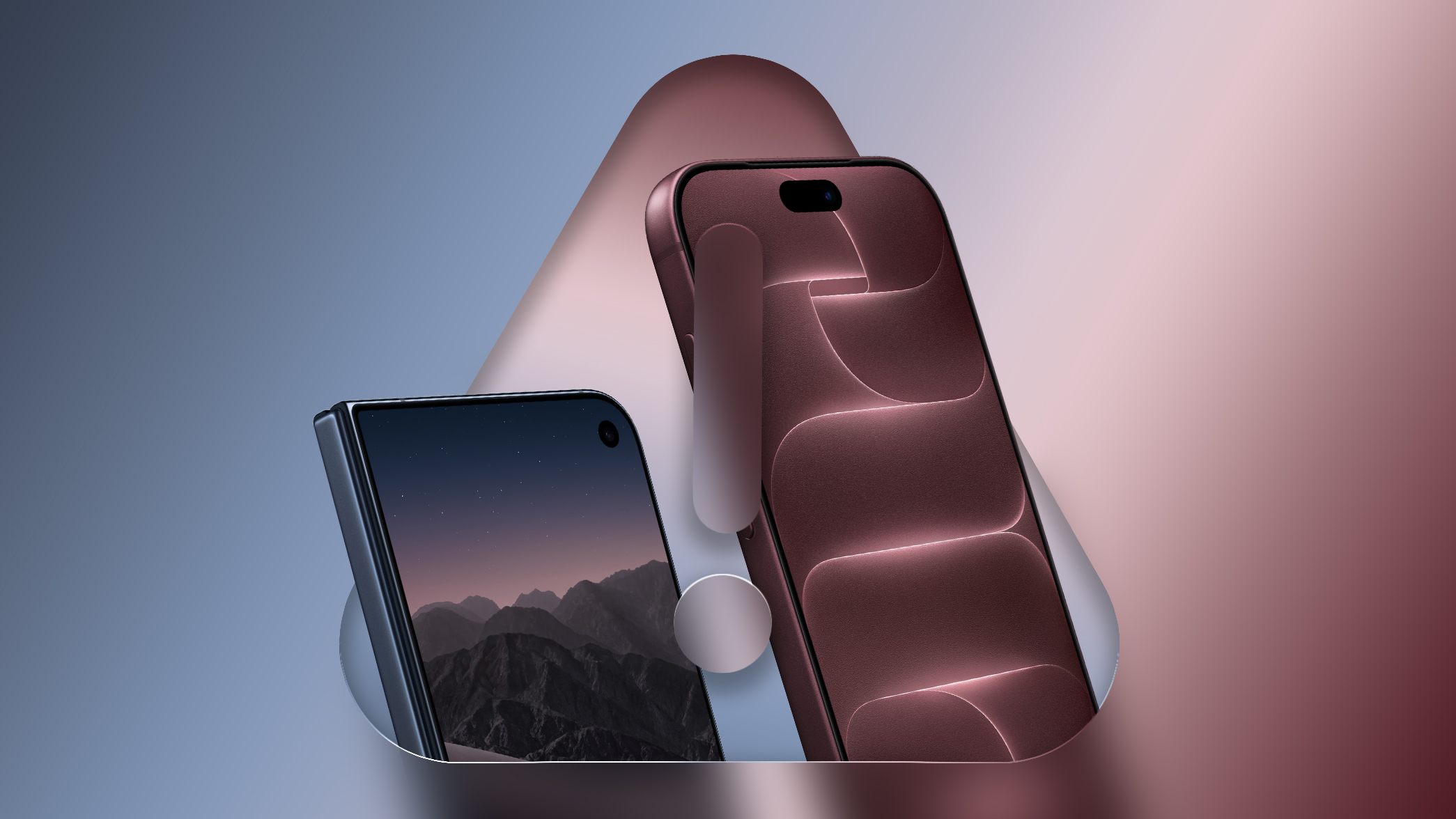
Apple’s $1,999 iPhone Duo asks buyers to pay more for a folding screen while accepting almost 40 compromises compared with the iPhone 18 Pro and ‌iPhone 18 Pro‌ Max, spanning camera capabilities, everyday usability, and ownership costs. At equivalent storage capacities, the ‌iPhone Duo‌ costs $800 more than the ‌iPhone 18 Pro‌ and $700 more than the Pro Max. Its main attraction is a radically different design: a 5.4-inch outer display opens into a 7.6-inch inner display, providing more space for reading and viewing content, with the ability to use apps side by side.
All three devices share several key features, including the A20 Pro chip, ProMotion displays with refresh rates up to 120Hz, a 48-megapixel Ultra Wide camera, MagSafe, and USB-C with USB 3 speeds. Choosing the foldable means giving up some familiar features and accepting differences in how the phone feels, works, and fits into a daily routine. General Compromises The general compromises concern the phone’s controls, displays, dimensions, battery life, and cost.
Some change interactions that iPhone owners perform throughout the day, while others affect particular preferences or longer-term ownership expenses. When choosing the ‌iPhone Duo‌ over an ‌iPhone 18 Pro‌ or Pro Max, users must be prepared to give up: Face ID: Facial authentication is replaced by Touch ID in the side button, changing how users unlock their phone and authenticate purchases and apps. The Action button: The ‌iPhone Duo‌ drops the customizable button used for functions such as Silent mode, the flashlight, Focus modes, and Shortcuts.
Apple’s new HomeView (pre-order here) won’t have an App Store, but it will support third-party apps in some cases, including letting you run third-party widgets from your iPhone. Here are the details.
Our reviews of the global Oppo Find X10 and Find X10 Pro Max are still ongoing. We already shared an unboxing, but now we can share some of our camera samples with you guys.
HomeView can display third-party widgets from your iPhone. New Apple TV 4K vs previous model: Here’s everything new Ryan Christoffel Oct 13 2026.
But before we get to samples, we have a quick side-by-side between the Find X10 Pro Max and the Pixel 11 Pro, over on TikTok. As usual, we’re saving our full and detailed analysis for our review.
But you’re welcome to draw your own conclusions based on the samples. What we can say is that shooting on the Find X10 series feels virtually as refined as on the Find X9 Ultra.
The camera interface is snappy,… Check out the first Oppo Find X10 Pro Max and Find X10 camera samples.
Camera Control remains available, but there is no dedicated physical mute control. MagSafe wallet compatibility: Apple lists ‌MagSafe‌ cases and wireless chargers as compatible with the ‌iPhone Duo‌, but omits the wallet compatibility it lists for the Pro models due to the device’s shape.
Physical SIM support in some markets: The ‌iPhone Duo‌ is eSIM-only worldwide. Pro models sold in markets such as the UK and Australia retain a nano-SIM slot, giving buyers the option of using physical SIM cards.
A larger screen without unfolding: The ‌iPhone Duo‌’s outer display measures 5.4 inches, compared with 6.3 inches on the ‌iPhone 18 Pro‌ and 6.9 inches on the Pro Max. Accessing its larger 7.6-inch screen requires opening the device.
The Pro displays’ pixel density on the larger screen: The ‌iPhone Duo‌’s inner display has a density of 430 pixels per inch, compared with 460 ppi on both Pro models. Its outer display retains 460 ppi.
A crease-free display: The ‌iPhone Duo‌’s folding screen has a crease that remains visible in certain lighting, despite Apple’s efforts to minimize it. The Pro models have a conventional display without a fold through the center.
Discover more from ChuckysCarnage
Subscribe to get the latest posts sent to your email.

