
One of the often made claims about plastics is that they are chemically inert under most conditions, such as when exposed to water. This long-held belief has also challenged the …. Busting the Myth that Plastics are Chemically Inert in Water.
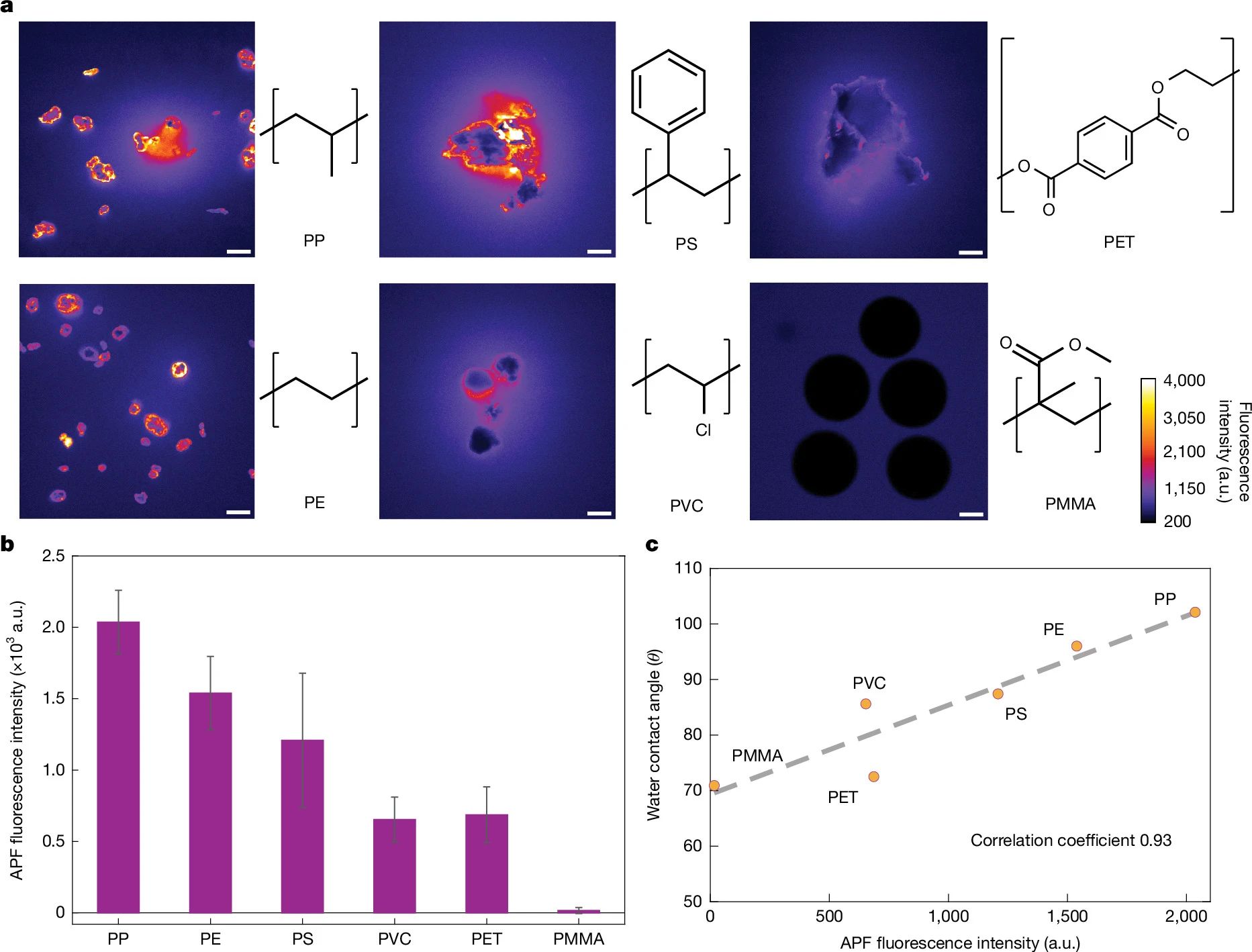
This long-held belief has also challenged the notion that micro- and nanoplastics (MNPs) are dangerous to organisms such as us human animals. A hitherto unknown mechanism between common plastics as investigated by [Naixin Qian] et al. And published in Nature serves to generate highly reactive hydroxyl radicals when exposed to water.
It’s a free radical that tends to be extremely short-lived due to its reactivity, much like the singular oxygen molecule that is freed at the plastic-water interface. The energy provided for this reactivity comes from the electrostatic effect, itself highly correlated with many plastics, with the six types of microplastics used in the experiment showing varying levels of free radicals, particularly for the more hydrophobic types. This high reactivity of free radicals is a well-known problem in cellular biology, with evolution having developed many tools over the years to deal with capturing these radicals as well as repair the (DNA) damage that they can cause.
The effect of these microplastics and their generated free radicals was thus studied as well.
Discover more from ChuckysCarnage
Subscribe to get the latest posts sent to your email.

