
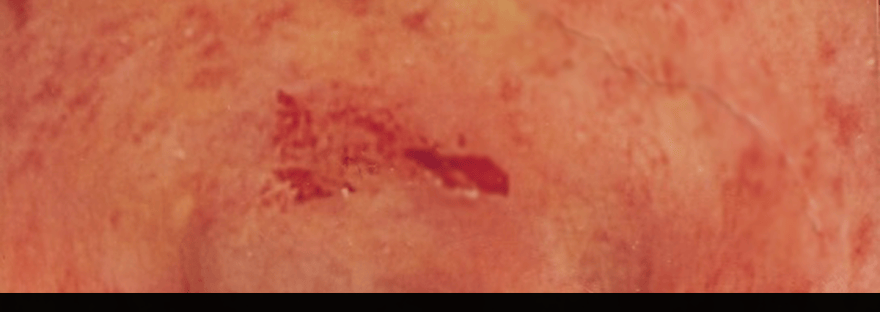
A large-scale study, presented at UEG Week 2026, has identified distinct antibody patterns up to 10 years before the diagnosis of inflammatory bowel disease (IBD), potentially opening new avenues for earlier risk detection and providing insights into future disease course.
Antibody patterns in the blood may help doctors identify people at risk so they can be treated earlier, research shows Patterns of antibodies in people’s blood could predict the onset of inflammatory bowel disease (IBD) a decade before diagnosis, according to research that raises hopes for catching the condition early. Crohn’s disease and ulcerative colitis, the two main forms of IBD, are typically treated only after symptoms appear, when the gut has already been damaged.
But scientists found that the immune system sends warning signals up to a decade before diagnosis, paving the way for potentially earlier detection and even prevention. Continue reading…
IBD has only been able to be treated at a later stage, but scientists found that the immune system leaves warning signs long before diagnosis. “For too long we have only been able to treat inflammatory bowel disease once the damage is done, and for many people that is too late,” said Dr Arno Bourgonje at the University Medical Centre Groningen in the Netherlands and the Icahn School of Medicine at Mount Sinai in New York.
“What we have shown is that the disease begins years before symptoms appear, and the immune system leaves warning signs long before diagnosis,” Bourgonje added. “This is not yet a test that can tell someone they will become ill, but it is an important step towards catching the disease earlier and, one day, preventing it.” At least 3.8 million people worldwide live with IBD, an immune condition that drives chronic inflammation of the digestive tract, causing pain, diarrhoea and fatigue.
The exact cause is unknown, but a misfiring immune system, genetics and microbes living in the gut can all contribute. Treatment relies on anti-inflammatory and immune-suppressing drugs, but many patients do not respond, and a significant number go on to have surgery to remove damaged sections of bowel.
Longstanding inflammation also raises the risk of bowel cancer. This has prompted scientists to look for the earlier signs of disease, in the hope of identifying people at risk before damage begins.
Bourgonje and colleagues at Mount Sinai and the Medical University of Vienna ran tests on blood samples taken from US military personnel. They examined 2,000 samples from 500 people, 200 of whom later developed Crohn’s disease, and 200 who went on to develop ulcerative colitis.
The remaining 100 developed neither condition. The blood samples were screened for antibodies that the immune system might have churned out in response to hundreds of thousands of fragments of proteins from bacteria, viruses, food and even the body’s own tissues.
In people who went on to develop Crohn’s disease, antibodies against Epstein-Barr virus, which causes glandular fever, were more common, and the differences were already visible a decade before diagnosis. The signal was strongest in those who later developed more severe, complicated disease, which can narrow the bowel or create abnormal channels.
People who developed ulcerative colitis showed a different pattern, including antibodies against one of the body’s own proteins. The findings, published in the journal Gut and presented at the United European Gastroenterology meeting in Barcelona, need to be confirmed in other groups of people, and the results show a link rather than proving the infections cause IBD.
But the hope is that IBD could eventually follow the path of type 1 diabetes, where a blood test can identify people whose immune systems have begun attacking the pancreas before any symptoms appear, allowing treatment that delays the onset of disease. James Lindsay, a professor of gastroenterology at Barts Health, who was not involved in the research, said the study provided “important insights into the causes of Crohn’s disease and ulcerative colitis, potentially adding new tools to help identify those at risk of IBD”.
But he cautioned that the techniques were “very much a research tool” and not yet ready for the clinic. Marianne Radcliffe, the chief executive of Crohn’s & Colitis UK, a national patient charity, said: “For people affected by Crohn’s and colitis, research like this is an important step forward.
Every new insight helps build a clearer understanding of how these conditions develop, including the changes that may occur years before symptoms appear.” Explore more on these topics Medical research Health Digestive disorders news Share Reuse this content.
Medical Disclaimer: This article is for informational purposes only and does not constitute medical advice. Always consult with qualified healthcare professionals for medical decisions and treatment options.
Discover more from ChuckysCarnage
Subscribe to get the latest posts sent to your email.

