
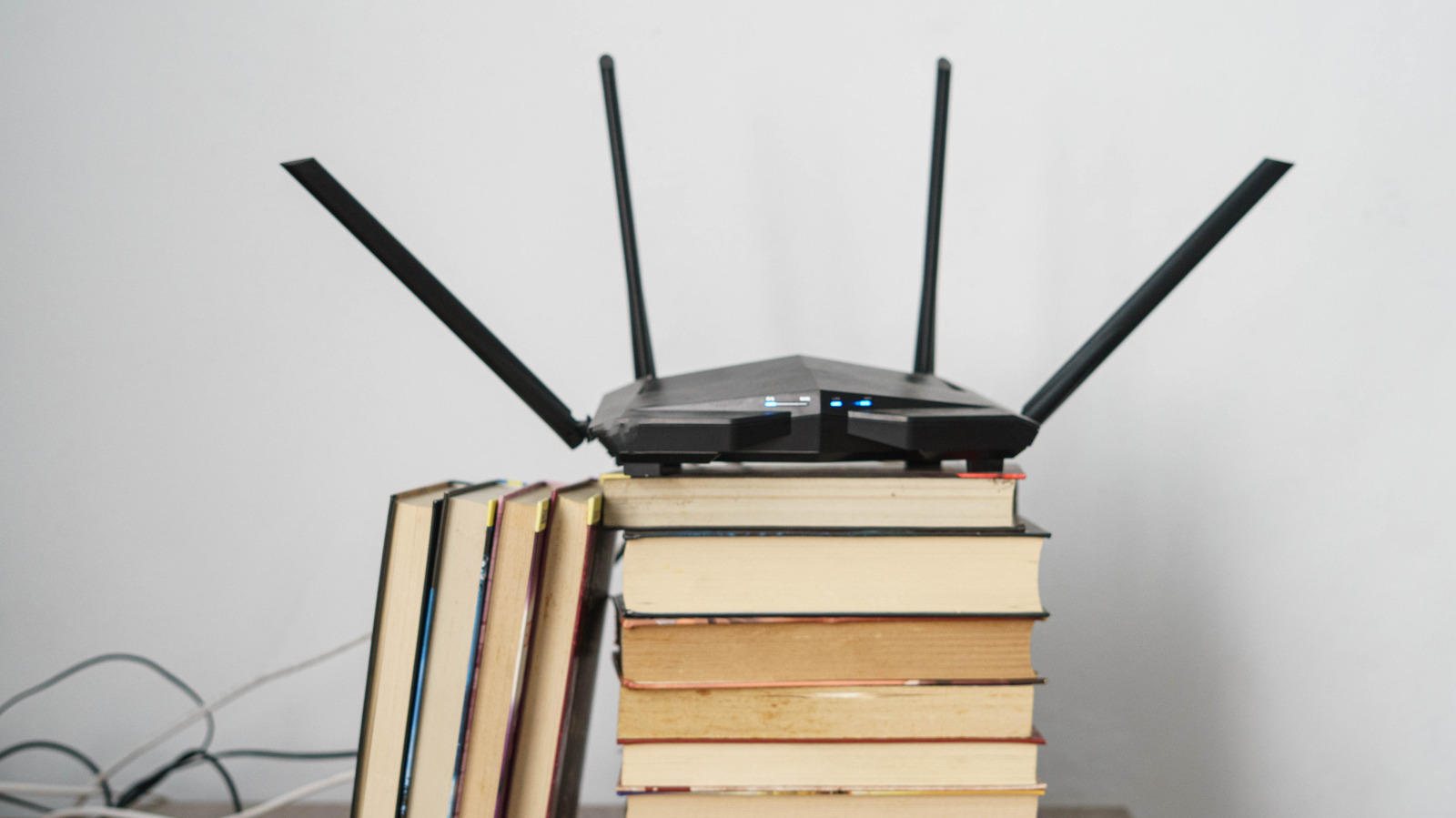
IPv6 has more available addresses than we could ever hope to use, but not all devices are taking advantage yet. The internet needs IPv6 and so does your home network. News Computing The internet needs IPv6 and so does your home network Half of Google’s users now reach it over IPv6, but your router may still have it switched off.
There’s your phone and laptop, but also the TV and game console, plus maybe a video doorbell and many other smart home devices. It’s pretty likely that they’re all sharing one public internet address, and it’s your router’s job to figure out which incoming data belongs to which device. This is because IPv4, the internet’s original address system, ran out of fresh addresses back in 2011.
It was replaced by IPv6, which has enough addresses for all the devices in the world to have their own (several trillion times over!) According to Google’s IPv6 page, roughly half of its users connect via IPv6, and most of the routers you’ll come across today support it alongside IPv4 in a setup called dual stack. If your network works fine, there’s no compelling reason to start digging through your router’s settings to switch it on. How we ran out of IPv4 addresses IPv4 was introduced way back in 1981 as the standard which fixed all addresses at 32 bits.
While it created around 4.3 billion addresses, those eventually ran out: the Internet Assigned Numbers Authority assigned its last few blocks to the regional registries in February 2011, and North America’s allocation ran dry in September 2015.
Discover more from ChuckysCarnage
Subscribe to get the latest posts sent to your email.

