
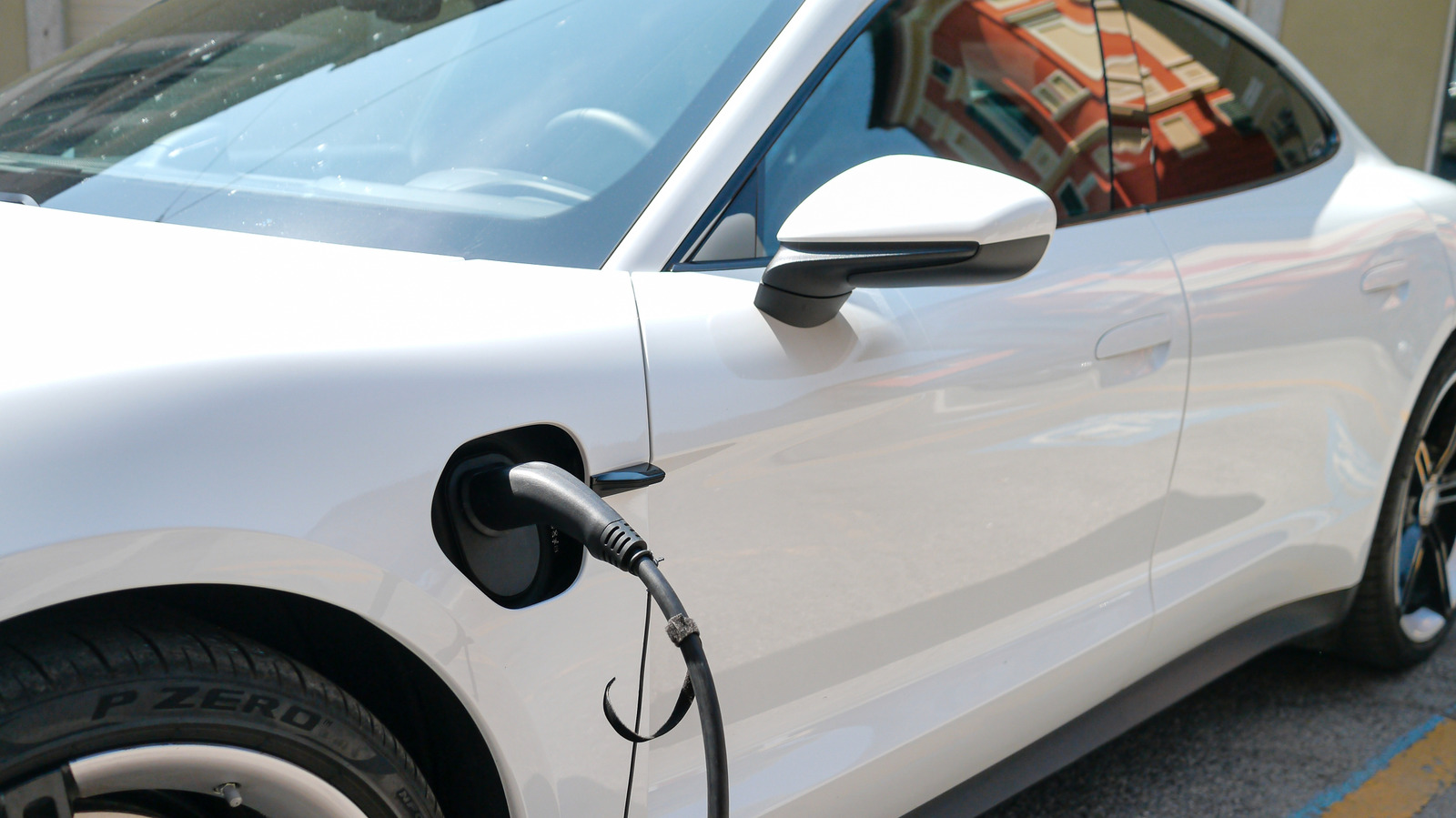
Electric cars need incredibly large batteries that offer long driving ranges and charge quickly, but remain cool when under load. This is how they do so. What kind of cooling system do EV batteries use and how does it work.
Most EVs pump coolant through the battery pack. Turns out that if you set that same charger as a destination in the car’s navigation, many EVs will use the time it takes to drive there to prepare the battery. It’s something Tesla’s manual tells owners to do 30 to 45 minutes before arriving, while Porsche goes so far as to warn that, without doing so, a vehicle’s charging power might be lower.
This warm-up routine is part of an EV battery’s thermal management system in most modern cars. Alongside it is usually a cooling loop, which uses liquid coolant pumped via tubes or metal plates pressed against the battery, collecting heat and carrying it to a radiator or into the car’s air conditioning system. Why EV batteries need cooling Fleet management company Geotab tracked more than 22,700 EVs for a study and found that, on average, batteries lost 2.3 percent of their health each year.
Cars in hot climates lost about 0.4 percentage points more a year than those in mild ones, while cars that frequently used fast chargers above 100 kW lost 3 percent a year against 1.5 percent for those that rarely did.
Discover more from ChuckysCarnage
Subscribe to get the latest posts sent to your email.

