
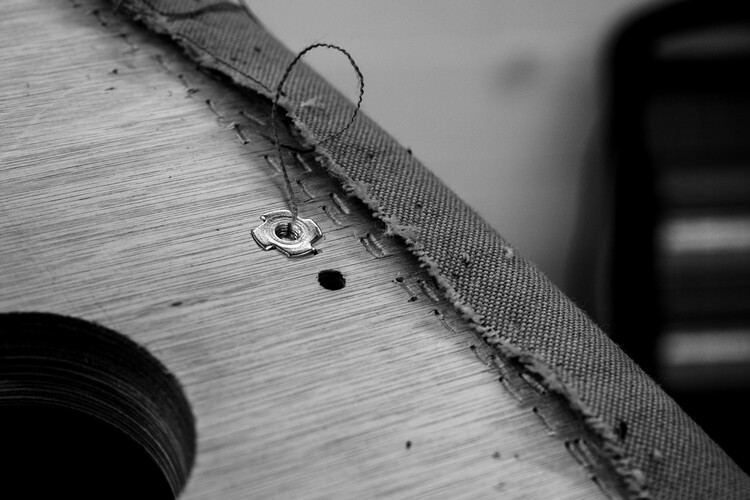
Furniture waste is not always the result of physical damage that renders a product unusable. Chairs, sofas, and tables are often discarded because they no longer fit an interior concept, are perceived as outdated, or are replaced during a renovation. In many cases, their structures remain functional, even when upholstery is worn, or the surrounding space has changed.
The result is a cycle of replacement in which usable products become waste, while new resources are extracted and processed to manufacture their successors. Designing Furniture to Outlast the Fit-Out. Image Courtesy of Boss Design Written by Kiana Buchberger Published on November 03, 2026 Furniture waste is not always the result of physical damage that renders a product unusable.
The environmental impact begins long before furniture reaches a landfill. Wood, metals, plastics, foams, and textiles require raw materials, processing, and energy to become finished products. A life cycle assessment of 25 furniture pieces across eight categories found that the pre-production stage, including raw material acquisition and processing, accounted for an average of 76% of the assessed environmental impact.
The proportion varied between products, but the findings highlight the resources already invested in furniture by the time it reaches a building.
Discover more from ChuckysCarnage
Subscribe to get the latest posts sent to your email.

