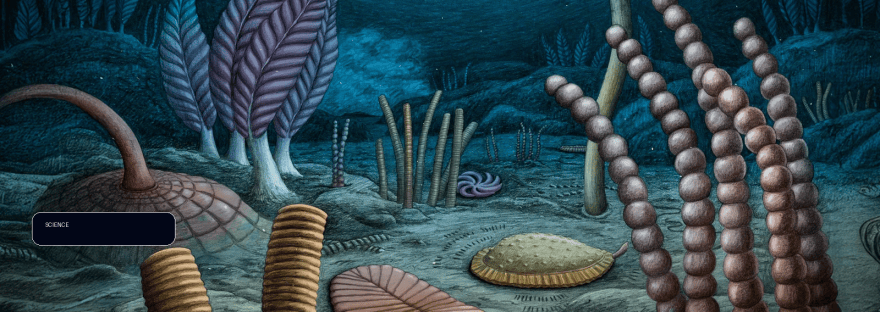
A spectacular fossil site in Canada contains 567-million-year-old creatures that may represent some of the earliest animals to move, reproduce sexually, and develop recognizable body plans The discovery pushes key evolutionary milestones back by up to 10 million years and suggests complex animal life may have first flourished in the deep ocean
The discovery pushes key evolutionary milestones back by up to 10 million years and suggests complex animal life may have first flourished in the deep ocean.
Fossils of young tetrapods suggest that the common ancestors of amphibians, reptiles and mammals did not evolve from animals with tadpole-like larvae, as scientists once thought. The first animals to move from water onto land may not have grown up the way scientists long assumed. For decades, the standard picture was that early tetrapods, the […].
The scientific context matters more than the headline: the finding only earns its place once independent teams have checked the method and the results.
Figures cited in the reporting include 10 million.
What to watch:
- peer review, replication, or follow-up research from other teams
- whether the method moves from lab testing into real-world systems
- clear explanations of limits, uncertainty, and what still needs proof
Information compiled from ScienceDaily Top Science, SciTechDaily Science.
Why This Matters
What changed: The discovery pushes key evolutionary milestones back by up to 10 million years and suggests complex animal life may have first flourished in the deep ocean. The development is getting attention — at least 2 independent outlets have covered it. For science new readers, readers should watch what changes in real products, real tools, and real daily use.
Chucky’s Analysis
The most concrete part of this story is that Fossils of young tetrapods suggest that the common ancestors of amphibians, reptiles and mammals did not evolve from animals with tadpole-like larvae, as scientists once thought.
With 2 outlets carrying the story, the core facts are likelier to hold, but details still vary between accounts — which is why the differences matter as much as the headline.
The open question for science news readers is how the story develops in independent, verifiable follow-ups.
The signal to watch is peer review, replication, or follow-up research from other teams.
Key Takeaways
- What we know: The first animals to move from water onto land may not have grown up the way scientists long assumed.
- What it means for you: readers should watch what changes in real products, real tools, and real daily use.
- What to watch next: peer review, replication, or follow-up research from other teams; whether the method moves from lab testing into real-world systems; clear explanations of limits, uncertainty, and what still needs proof.
Sources
This article was compiled from the following independent reporting:
Links direct readers to the original coverage so claims can be checked directly.
Conclusion
In short: for decades, the standard picture was that early tetrapods, the [. Watch for peer review, replication, or follow-up research from other teams; whether the method moves from lab testing into real-world systems before drawing conclusions about real-world impact.
Related Reading
More coverage from ChuckysCarnage on this topic:
Keep Exploring
Browse more stories on the site:
About the Author
ChuckysCarnage is an independent technology news site covering gadgets, software, science, and space. Every article is written from the day’s independent reporting, checked against the linked original sources, and reviewed for accuracy before it goes live. Corrections are handled through the Contact page and the Editorial Policy.
Discover more from ChuckysCarnage
Subscribe to get the latest posts sent to your email.
 ChuckysCarnage