
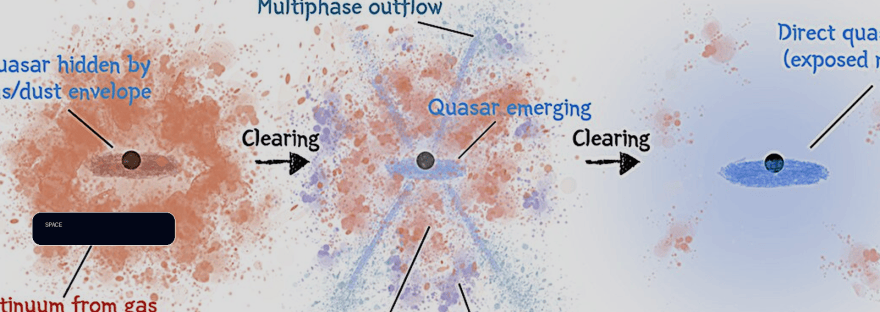
Using observations from multiple powerful telescopes, a team of astronomers studied a red quasar nicknamed “the Hatchling” at redshift 3. They may have identified one of the clearest examples yet of a quasar caught in transition between a heavily obscured and fully exposed phase
The practical value is usually procedural rather than dramatic: the work matters if it produces better measurements, more reliable hardware, or a clearer path to the next experiment.
What to watch:
- scientific results from the mission
- follow-up research publications
- practical applications on Earth
The reporting is early and may change as more details and independent reactions arrive. The linked sources above are the place to check for updates, and the sections below summarize what the available coverage says so far. Readers should treat the current details as provisional until additional outlets weigh in.
Why This Matters
What changed: using observations from multiple powerful telescopes, a team of astronomers studied a red quasar nicknamed "the Hatchling" at redshift 3. Independent confirmation is still pending, since coverage so far rests on a single outlet. For space new readers, readers should watch what changes in real products, real tools, and real daily use.
Chucky’s Analysis
The most concrete part of this story is that using observations from multiple powerful telescopes, a team of astronomers studied a red quasar nicknamed "the Hatchling" at redshift 3.
The reporting also notes that they may have identified one of the clearest examples yet of a quasar caught in transition between a heavily obscured and fully exposed phase.
Because this rests on a single outlet's reporting, treat the specifics as credible but not yet cross-checked; the first independent confirmation is the signal to watch.
The open question for space news readers is how the story develops in independent, verifiable follow-ups.
The signal to watch is official confirmation and technical details.
Key Takeaways
- What we know: using observations from multiple powerful telescopes, a team of astronomers studied a red quasar nicknamed "the Hatchling" at redshift 3.
- What it means for you: readers should watch what changes in real products, real tools, and real daily use.
- What to watch next: official confirmation and technical details.
Sources
This article was compiled from the following independent reporting:
Links direct readers to the original coverage so claims can be checked directly.
Conclusion
In short: using observations from multiple powerful telescopes, a team of astronomers studied a red quasar nicknamed "the Hatchling" at redshift 3. Watch for official confirmation and technical details before drawing conclusions about real-world impact.
Keep Exploring
Browse more stories on the site:
About the Author
ChuckysCarnage is an independent technology news site covering gadgets, software, science, and space. Every article is written from the day’s independent reporting, checked against the linked original sources, and reviewed for accuracy before it goes live. Corrections are handled through the Contact page and the Editorial Policy.
Discover more from ChuckysCarnage
Subscribe to get the latest posts sent to your email.
 ChuckysCarnage