
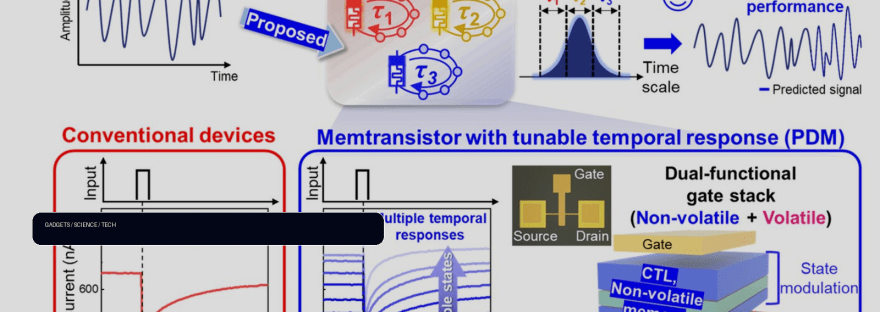
AI semiconductors are becoming more programmable KAIST researchers have developed a device whose response characteristics can be programmed to process data that changes at different speeds
AI semiconductors are becoming more programmable.
KAIST researchers have developed a device whose response characteristics can be programmed to process data that changes at different speeds.
The technology reduced prediction errors for time-varying data by up to 40-fold and is expected to enhance real-time AI performance in autonomous vehicles, robots and wearable devices.
The practical impact will sharpen as the details above are confirmed by follow-up coverage, real-world use, and official documentation.
What to watch:
- whether crash and intervention data improves over time
- how often human safety monitors are involved
- what regulators require before wider deployment
Why This Matters
What changed: AI semiconductors are becoming more programmable. Independent confirmation is still pending, since coverage so far rests on a single outlet. For gadget readers, gadget buyers should separate useful hardware changes from hype, especially around price, battery life, repairability, and long-term support.
Chucky’s Analysis
The most concrete part of this story is that KAIST researchers have developed a device whose response characteristics can be programmed to process data that changes at different speeds.
Because this rests on a single outlet's reporting, treat the specifics as credible but not yet cross-checked; the first independent confirmation is the signal to watch.
The open question for gadgets readers is how the story develops in independent, verifiable follow-ups.
The signal to watch is whether crash and intervention data improves over time.
Key Takeaways
- What we know: The technology reduced prediction errors for time-varying data by up to 40-fold and is expected to enhance real-time AI performance in autonomous vehicles, robots and wearable devices.
- What it means for you: gadget buyers should separate useful hardware changes from hype, especially around price, battery life, repairability, and long-term support.
- What to watch next: whether crash and intervention data improves over time; how often human safety monitors are involved; what regulators require before wider deployment.
Sources
This article was compiled from the following independent reporting:
Links direct readers to the original coverage so claims can be checked directly.
Conclusion
In short: aI semiconductors are becoming more programmable. Watch for whether crash and intervention data improves over time; how often human safety monitors are involved before drawing conclusions about real-world impact.
Related Reading
More coverage from ChuckysCarnage on this topic:
Keep Exploring
Browse more stories on the site:
About the Author
ChuckysCarnage is an independent technology news site covering gadgets, software, science, and space. Every article is written from the day’s independent reporting, checked against the linked original sources, and reviewed for accuracy before it goes live. Corrections are handled through the Contact page and the Editorial Policy.
Discover more from ChuckysCarnage
Subscribe to get the latest posts sent to your email.
 ChuckysCarnage