Health technology can be useful, but it becomes risky when people mistake consumer sensors for medical devices. The key is understanding what the data actually shows and what it doesn’t.
Reporting
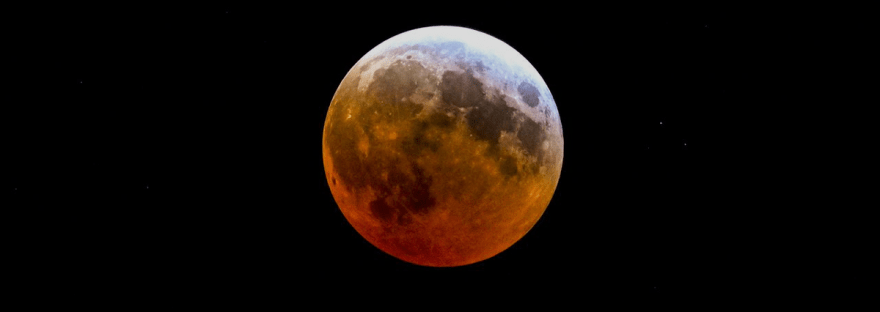
Space.com reports that Partial lunar eclipse August 2026: Where will it be visible from?. Earth's shadow will swallow 96% of the lunar surface overnight on Aug. 27-28, potentially turning the moon a gorgeous shade of crimson as it bathes in light filtered and refracted by our planet's atmosphere. The partial lunar eclipse will occur as Earth passes between the sun and moon during the monthly full moon phase . Around this time, Earth's curved… The key issue is evidence: what the device measures, how reliable the measurement is, who can safely use it, and where medical guidance is still needed.
The Details
- Space.com: Partial lunar eclipse August 2026: Where will it be visible from?
- Earth's shadow will swallow 96% of the lunar surface overnight on Aug. 27-28, potentially turning the moon a gorgeous shade of crimson as it bathes in light filtered and refracted by our
A few details give the story its shape: 96%. Those are the pieces that keep this from feeling like a vague headline and make it easier to see where the real impact may land.
The Context
Space updates can look routine from the outside: a launch, a docking, an instrument check, another mission note. Look closer, though, and they are usually about data, endurance, materials, communications, robotics, or the next piece of exploration infrastructure.
Next Developments
- peer review and replication of findings
- clinical applications and guidelines
- consult healthcare providers for personal advice
Medical Disclaimer: This article is for informational purposes only and does not constitute medical advice. Always consult with qualified healthcare professionals for medical decisions and treatment options.
Discover more from ChuckysCarnage
Subscribe to get the latest posts sent to your email.

