
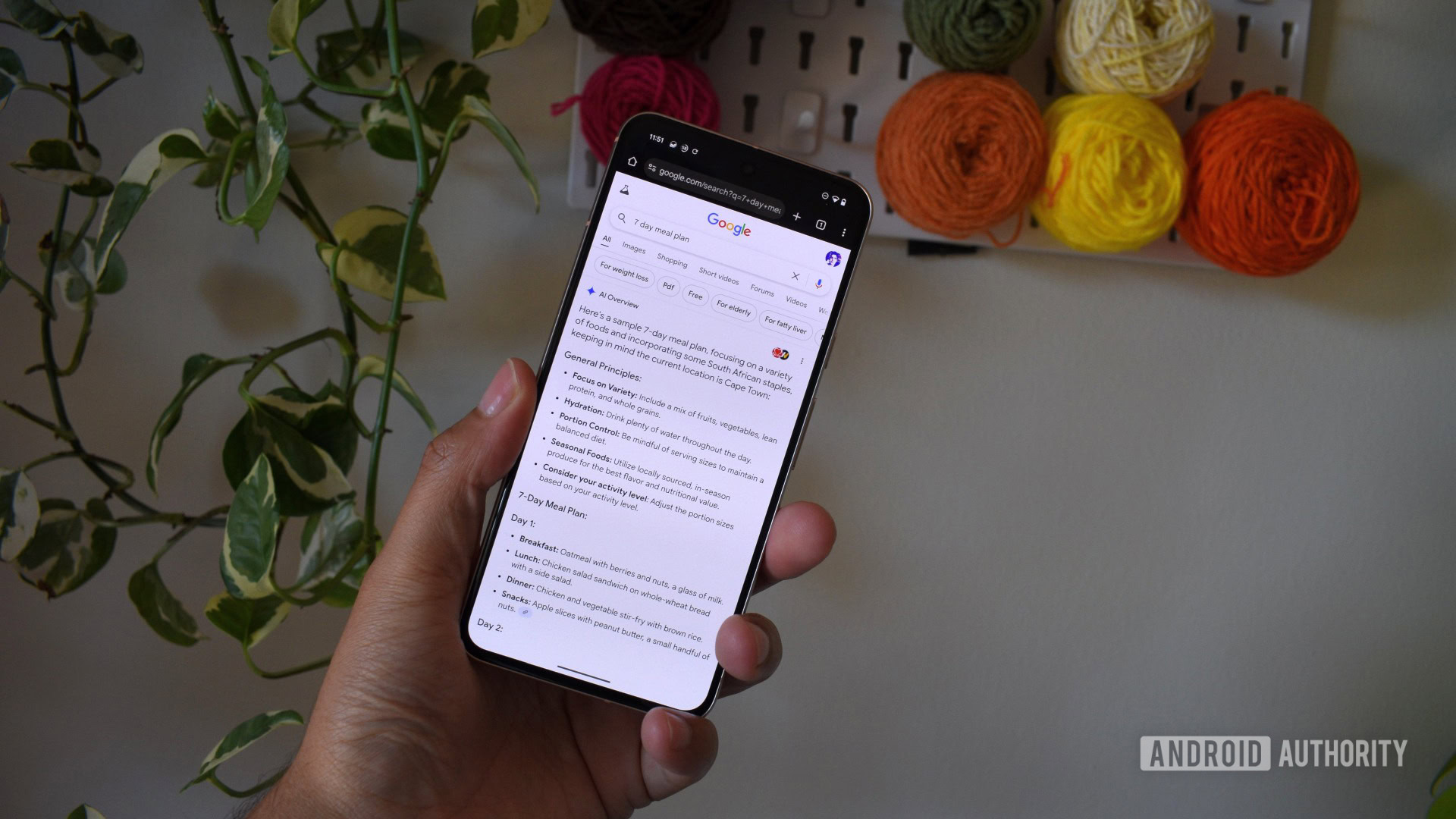
This marks the second major setback for publishers in their legal fight against Google’s AI Overviews this year. Are AI Overviews killing websites? A court just sided with Google. Publishers receive setback in Google AI Overviews lawsuit.
Judge Amit Mehta noted that the lawsuits weren’t based on a formal agreement with Google, but an “expectation.” This is the second major setback for publishers this year, after a federal court dismissed a similar lawsuit brought against Google. Ed-tech company Chegg filed an antitrust lawsuit against Google last year over AI Overviews and how the feature was affecting website traffic and affiliate revenues. Publisher Penske Media Corporation, known for publications like Billboard, Variety, and Rolling Stone, later filed its own lawsuit against the search giant.
A federal judge has now delivered a major setback to both parties. While siding with Google, US District Judge Amit Mehta noted in the ruling that the claims in the lawsuits weren’t based on an agreement with the search giant, but an “expectation” (via Reuters). Chegg and Penske Media’s lawsuits alleged they lost revenue due to a dip in traffic following the implementation of AI Overviews.
Google may have a monopoly in search, but neither lawsuit made a compelling case the company was leveraging it. Judge dismisses lawsuits claiming Google’s AI Overviews siphon web traffic.
In a memorandum opinion on both lawsuits, Judge Amit Mehta, coincidentally the same judge who ruled that Google maintained a monopoly in online search services in 2024, said the companies failed to argue the search provider violated antitrust laws. PMC and Chegg’s original lawsuits claimed that Google was using AI Overviews and its vast index of the web to siphon traffic away from their online ad businesses, hurting their revenue.
Chegg additionally said that Google was effectively forcing websites to offer their content up for AI scraping or face being excluded from search results. Judge Mehta dismissed both claims for a variety of reasons, but broadly found that neither company convincingly argued that Google was leveraging its monopoly to get them to provide free material for its AI, or that the search provider was trying to gain an unfair advantage in digital publishing.
"Plaintiffs have pleaded only that they have an ‘expectation’ that Google will send them search traffic if they make their content available for free," Mehta wrote. It is simply how a general search engine works." has asked PMC and Chegg to comment on the memorandum opinion.
Other publishers have raised concerns about how their content contributes to Google’s AI search features, but the situation isn’t entirely clear-cut.
Discover more from ChuckysCarnage
Subscribe to get the latest posts sent to your email.

