
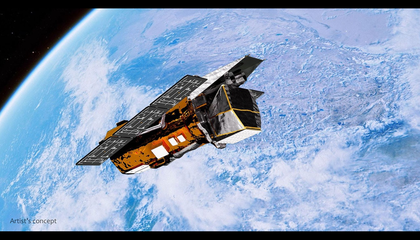
The Neil Gehrels Swift Observatory launched in 2004 and detected thousands of astrophysical phenomena, leading to some huge discoveries. Earlier this year, experts attempted a first-of-its-kind rescue mission to save the falling telescope, but it failed. After Observing the Sky for 22 Years, a Beloved NASA Space Telescope should Meet a Fiery Death This Week.
Over the past couple of years, Swift had been falling out of orbit faster than expected. NASA’s Goddard Space Flight Center Conceptual Image Lab NASA’s groundbreaking Neil Gehrels Swift Observatory, which stared at the cosmos for more than two decades, should crash down to Earth this week. Space Force estimates the beloved space telescope will re-enter the planet’s atmosphere around November 4, where most of it should burn up.
“We’ve known this day would come since before Swift was launched. At least in low-Earth orbit, what goes up must come down. And that end is catastrophic,” says John Nousek, an astronomer at Pennsylvania State University who led the control team, to Marcia Dunn at the Associated Press Swift’s fiery death comes after an attempted Hail Mary earlier this year.
The aging telescope recently had been falling from its orbit faster than predicted because of unusually strong solar activity in late 2024. That increased atmospheric drag on the observatory, pulling it down.
Discover more from ChuckysCarnage
Subscribe to get the latest posts sent to your email.

